Will Sugar Stocks Enter the Sweet Spot Again?
 Join Us
 Follow Us
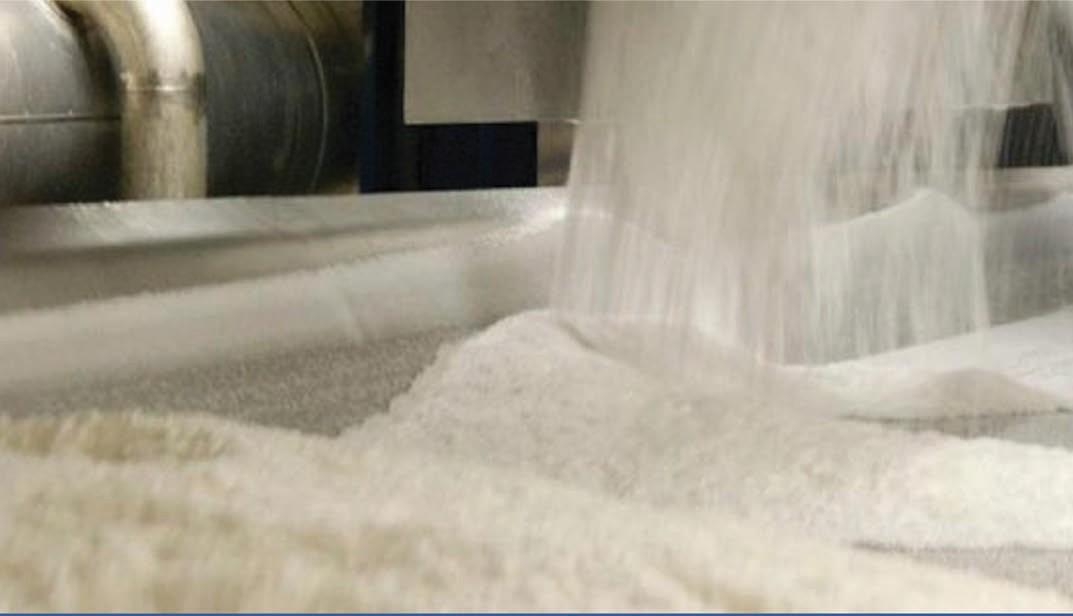
India may benefit from this tight global market, but its 2024–25 sugar export quota remains capped at 10 lakh tonnes to safeguard domestic availability.
✨ Key Takeaways
As India's 2025 monsoon began early on May 24, eight days ahead of schedule and the earliest in 16 years—the IMD forecasts rainfall at 105–106 per cent of the long-term average. This raises hopes for timely sowing, healthy crop growth, and improved recovery rates for India’s most water-consuming cash crop, sugarcane. Abhishek Wani evaluates whether sugar stocks could be back in the sweet spot with a deep dive into global and domestic inventory and production trends, monsoon impact, and ethanol policy
Few crops are as intertwined with India’s economy and ecology as sugarcane. Nourished by the Gangetic plains and peninsular river basins like Godavari and Krishna, India ranks among the world’s top sugar producers and consumers. However, sugarcane’s heavy water footprint raises concerns amid depleting freshwater reserves—especially as India ramps up exports and ethanol blending.
Amid these challenges, the sugar sector is transforming. Supported by government ethanol targets and rising corporate capex, companies are evolving into integrated bioenergy players. Firms like Balrampur Chini and E.I.D. Parry are expanding into ethanol, power co-generation, and even green chemicals—adding stability to a historically cyclical business.
A strong monsoon forecast, global supply tightness (notably in Brazil), and growing ethanol demand are reviving investor interest. Stocks like Balrampur Chini and Triveni Engineering are trading at 52-week highs, reflecting optimism around this structural shift.
But is this the beginning of a sustained re-rating—or just another fleeting sugar rally? This story explores the sector’s shifting fundamentals, monsoon impact, ethanol economics, and market sentiment to assess whether sugar’s renewed momentum could deliver sweeter, longer-term gains this time.
Sector Overview
Monsoon Outlook and Sugarcane Yields
India's 2025 monsoon began early on May 24—eight days ahead of schedule and the earliest in 16 years. The IMD forecasts rainfall at 105–106 per cent of the long-term average, raising hopes for timely sowing, healthy crop growth, and improved recovery rates. Although the monsoon briefly stalled in early June, it is expected to normalize. ISMA projects a rebound in sugar output to 295 lakh tonnes in 2025–26, while the USDA is more optimistic at 353 lakh tonnes, driven by a larger cane area (5.85 million hectares) and favourable agro-climatic conditions.

2024–25 Season
The 2024–25 season saw sugar output decline sharply to an estimated 261–262 lakh tonnes—a 17.5 per cent YoY fall—due to a weak 2024 monsoon and pest issues like red-rot disease in Uttar Pradesh. Crushing operations were down 11 per cent, with only 113 mills active by March-end versus 204 a year earlier. Maharashtra and Karnataka recorded over 20 per cent production drops, while UP held relatively steady at 92.8 lakh tonnes, despite diversion to Gur/Khandsari.
Despite lower output, domestic consumption (~280 lakh tonnes) has been supported by opening stocks of 80 lakh tonnes. However, closing stocks may fall to 52 lakh tonnes, tightening inventory and supporting prices. Sugar prices have held firm—averaging ₹41/kg in UP and ₹38/kg in Maharashtra—helping mills maintain liquidity and ensure timely farmer payments.
Global Sugar Trends
Globally, Brazil’s 2025 sugar production has dropped 22.7 per cent YoY to 39.89 lakh tonnes due to erratic rainfall, even though cane crushing touched 566 million tonnes. Thailand increased output by 14 per cent to 100 lakh tonnes, but extreme heat could limit further gains. With Brazil’s supply under pressure, global sugar prices remain elevated.
India may benefit from this tight global market, but its 2024–25 sugar export quota remains capped at 10 lakh tonnes to safeguard domestic availability. If monsoon conditions hold and production rebounds, India could potentially expand its export footprint in FY26.

What’s the Big Deal About Ethanol?
Ethanol, a clear, renewable biofuel, has gained prominence in India as a key component of the Ethanol Blended Petrol (EBP) program. Blending ethanol with petrol boosts fuel efficiency and reduces emissions, helping India lower its crude oil imports. While the EBP program began in 2003, it saw real momentum only recently, with the current blending rate at around 13–15 per cent and a target of 20 per cent by 2025–26. A major policy shift in 2024 allowed sugar mills to produce ethanol directly from sugarcane juice, enhancing production flexibility and profitability. This move also curtailed India’s sugar exports, tightening global supply and pushing up prices. For farmers, increased demand for sugarcane translates into better income stability.
However, ethanol's growth story hasn’t been without setbacks. In 2023, production was temporarily capped due to food security concerns amid poor crop yields caused by heatwaves and red rot disease in key states like Uttar Pradesh. But with improved crop forecasts in 2024 and a renewed push to cut India's 80 per cent crude oil import dependency, ethanol is again in the spotlight. Still, challenges persist. Diverting sugarcane for ethanol raises concerns about sugar availability and inflation. Sugarcane’s high-water consumption also poses sustainability risks in water-stressed India. Experts advocate investment in second- and third-generation biofuels from non-edible sources for long-term viability. In markets, sugar stocks have surged on ethanol optimism, while alcohol stocks remain subdued due to uncertainties around pricing and supply policy. Ethanol thus stands as both an opportunity and a cautionary tale in India’s green energy transition.
Risks and Challenges in the Sugar-Ethanol Business
The sugar-ethanol sector in India is fraught with volatility, primarily due to price fluctuations in both sugar and ethanol. While companies have the flexibility to switch between sugar and ethanol production depending on market trends, structural challenges remain. A key issue is governmentimposed price controls. The Minimum Support Price (MSP) for sugar has remained static at ₹31/kg since 2019, whereas the Fair and Remunerative Price (FRP) paid to farmers has risen from ₹314 to ₹340 per quintal in FY25. This mismatch has squeezed margins, keeping revenues stagnant while costs increase.
India’s ethanol program, aiming for 20 per cent blending by 2025, has accelerated, with 17.98 per cent achieved as of February 2025. Around 27 lakh tonnes of sugarcane was diverted to ethanol by April, with further diversion expected. Though the government relaxed raw material usage norms, it simultaneously froze ethanol prices, decoupling them from rising FRP rates. This has created a profitability crisis, as mills face the dilemma of producing ethanol at loss-making rates or reverting to sugar, which may not be more lucrative. Triveni Engineering, for instance, posted a ₹9.72 crore loss in Q1 FY25 due to lower ethanol sales and weak cane crushing.
Other headwinds include policy uncertainty, shorter crushing seasons (just 83 days in Maharashtra), climate-related risks like heatwaves and disease outbreaks, and a tight regulatory environment with export restrictions and price caps. These factors combine to keep industry profitability under strain. As Balrampur Chini’s CMD Mr. Vivek Saraogi noted, sustained sectoral health will depend on pricing clarity, regulatory stability, and diversified revenue streams.
On the ethanol front, there has beena disappointment. The tender was floated as usual, in November. However, the recent decision to keep the price unchanged or without any hike has been very disappointing. This is a deviation from the past practice of linking ethanol prices to the hike in FRP.We have raised this issue strongly with the government. This will make the diversion unattractive, and we willcontinue to address it vigorously through the industry association. We believe this could put the government's program in jeopardy. Our honorable Prime Minister, even in the Budget Session, has taken credit and sort of praised the ethanol program for saving significant foreign exchange, which we also believe is true, However, moving forward, we willbe discussing this matter with the government.
(Extract from Q3FY25 Concall – Mr. Vivek Saraogi – Chairman and Managing Director of Balrampur Chini Mills)
Stock Performance
Sugar stocks have witnessed notable short-term momentum, with the TJI Sugar Index gaining 20.3 per cent over the past 3 months and 6.8 per cent in the last month. Key outperformers include Bajaj Hindusthan Sugar (20.47 per cent in 1M, 63.01 per cent in 3M), Dwarikesh Sugar (32.54 per cent in 3M), Dhampur Sugar Mills (29.98 per cent in 3M), and DCM Shriram (32 per cent in 3M). Heavyweights such as Balrampur Chini (13.33 per cent) and EID Parry (41.88 per cent) also contributed significantly to the sector's rally. Despite this surge, several stocks—including Shree Renuka Sugar, Dalmia Bharat Sugar, and Dwarikesh—continue to trade 30–40 per cent below their 52-week highs, suggesting a recovery from oversold levels. The rebound appears supported by improving fundamentals, including expectations around ethanol blending and sectoral demand revival. However, selectivity remains crucial, as long-term returns remain muted for many smaller or structurally weaker players.
Below table represents recent stock performance of a few stocks

Why may Sugar Stocks Enter the Sweet Spot Again?
Historically, whenever sugar supply is disrupted—either due to lower domestic production or global shortages—prices tend to surge, directly boosting the revenues of sugar manufacturers. For the sugar season year 2024–25 (SSY25), India’s net sugar production is expected to be significantly lower at around 261–262 lakh tonnes, compared to 319.6 lakh tonnes in 2023–24. This drop is largely due to lower cane availability, reduced recovery rates, and a significant diversion of sugarcane to ethanol production—already estimated at 27 lakh tonnes until April 2025, with another 6–7 lakh tonnes expected to be diverted before the season ends.
Domestic consumption is projected at 280 lakh tonnes, with exports capped at 9 lakh tonnes under a government-imposed quota. This means India is expected to end the season with closing stocks of just 52–53 lakh tonnes, down from an opening stock of 80 lakh tonnes and well below the 84.79 lakh tonnes carried forward in the previous year. This is also a far cry from the comfortable 100+ lakh tonnes seen in earlier seasons like 2020–21. The tighter inventory (around 50 lakh tonnes) is likely to keep sugar prices firm, directly improving realisations for sugar mills.
Even if global sugar output stays steady, firm prices and India’s good monsoon can lift mill revenues. With 1 million tonnes of sugar exports allowed in 2024–25, Indian mills can earn more abroad. Simultaneously, ample cane allows flexible diversion to ethanol blending (target: 20% by 2025). Mills can switch between sugar and ethanol based on margins, ensuring optimal profits and insulation from sugar market volatility.


The chart shows a consistent decline in global sugar closing stocks from 1,025 lakh tonnes in 2020–21 to an estimated 961 lakh tonnes in 2024–25, marking a multi-year low. This downward trend signals tightening supply amid steady or rising global demand. Lower closing stocks reduce the availability buffer, leading to potential price hikes due to supply-demand imbalances. Rising sugar prices benefit producers by improving realisations and export margins, thereby boosting revenue and profitability. The trend also strengthens pricing power for integrated sugar companies, especially those with ethanol operations, positioning them well in a firming global market environment.
Prices have already surged in Q4FY25. In Uttar Pradesh, refined sugar touched ₹42,000/tonne and remained above ₹40,000/tonne throughout the quarter. In Maharashtra, prices hovered around ₹38,000/tonne. This is significantly higher than the Minimum Selling Price (MSP) of ₹31/kg, making current levels highly remunerative. If the government hikes MSP to ₹35/kg as anticipated, it could further widen margins for integrated sugar companies.
Government support continues to be a strong tailwind. Apart from the 1 MMT export quota, the government’s move to permit the use of FCI rice for ethanol production is set to boost distillery utilisation. The ethanol blending target of 20 per cent by 2025 ensures steady demand for cane-based ethanol, creating an alternative revenue stream for sugar companies. As sugar becomes more of a structural play than a cyclical one, ethanol and bioenergy are reshaping industry dynamics. Looking ahead to 2025–26, the outlook remains positive. The season is expected to begin with robust production as sugarcane planting increases in Maharashtra and Karnataka, backed by a favourable monsoon. Improved cane varieties in UP may further support yield recovery. ISMA estimates early-season production (Oct–Nov 2025) could exceed 43 lakh tonnes, ensuring adequate supply.

The financial performance of leading sugar companies reflects a mixed trend from FY23 to FY25. E.I.D. Parry showed consistent growth, with FY25 revenue rising to ₹31,608.6 crore and profit improving to ₹1,826.3 crore, driven by diversified operations. Balrampur Chini reported stable revenues but a dip in profits in FY25, suggesting margin pressure. Triveni Engineering saw moderate revenue growth but a sharp drop in profits, possibly due to one-offs or higher costs. Shree Renuka and Bajaj Hindusthan continued to report losses, though Renuka’s FY25 losses narrowed. Dalmia Bharat Sugar reported healthy growth in both revenue and profit, indicating operational efficiency. Godavari Biorefineries saw revenue traction post-listing but turned to a loss in FY25. DCM Shriram’s profits dipped slightly despite stable revenue.
The sugar sector is undergoing a noticeable transformation in how valuations are being assigned. Traditional metrics like EV/ EBITDA, ROCE, and debt-to-equity remain relevant, but they are increasingly being supplemented by qualitative factors such as strategic diversification, energy transition initiatives, and earnings sustainability. Currently, valuation multiples vary widely, with EV/EBITDA ranging from below 7x to over 20x. This divergence reflects market discrimination between companies with cyclical, sugar-dependent models versus those actively pivoting toward bioenergy, ethanol, green chemicals, and specialty materials. Businesses that are part of this structural shift tend to enjoy valuation premiums, even if near-term profitability is modest, as the market rewards forward visibility and alignment with long-term sustainability themes.
At the same time, capital efficiency is gaining weight in valuation considerations. Companies with higher returns on invested and employed capital, better asset turns, and prudent leverage are generally being valued more favorably, especially in an environment of rising input costs and policy sensitivity. The sector's transition from a cyclical commodity business to a multi-revenue stream bio-industrial model is gradually altering the valuation lens. As ethanol blending mandates strengthen and green energy capex intensifies, valuations are becoming less about raw sugar prices and more about strategic execution, earnings quality, and non-cyclical growth potential. In essence, the sugar sector is at an inflection point where valuation support increasingly hinges on scalability, balance sheet strength, and clarity of future growth beyond sugar. Investors appear more willing to pay up for companies that are operationally resilient and positioned to benefit from India's evolving energy and sustainability priorities.
Conclusion
In simple terms, sugar stocks look set to move into a stronger phase thanks to a mix of good factors — steady demand, tighter supply, firm prices, and government support. This means investors who stay patient might see lasting benefits, not just short-term ups and downs. India’s sugar industry is at an important turning point. A good monsoon, growing use of ethanol, and limited global supply all point toward a brighter future. But, to keep this momentum going, stable government policies, fair ethanol prices, and smart management of crops and water will be crucial. While recent price rises show hope, investors should keep an eye on possible changes in rules and unpredictable weather. If ethanol pricing steadies and the monsoon remains favourable, sugar stocks could stay in a ‘sweet spot’ for some time. Looking ahead to the new financial year, better sugar production, timely payments to farmers, and stronger company finances suggest the sector is on firmer footing. Still, global market shifts and policy decisions will be important to watch.Overall, the long-term story is promising, but success will depend on balancing these positive trends with the challenges ahead. For those willing to look beyond shortterm swings, sugar stocks could offer rewarding opportunities in the years to come.