A Trillion-Dollar Dream Needs Trillion-Strong Households
 Join Us
 Follow Us
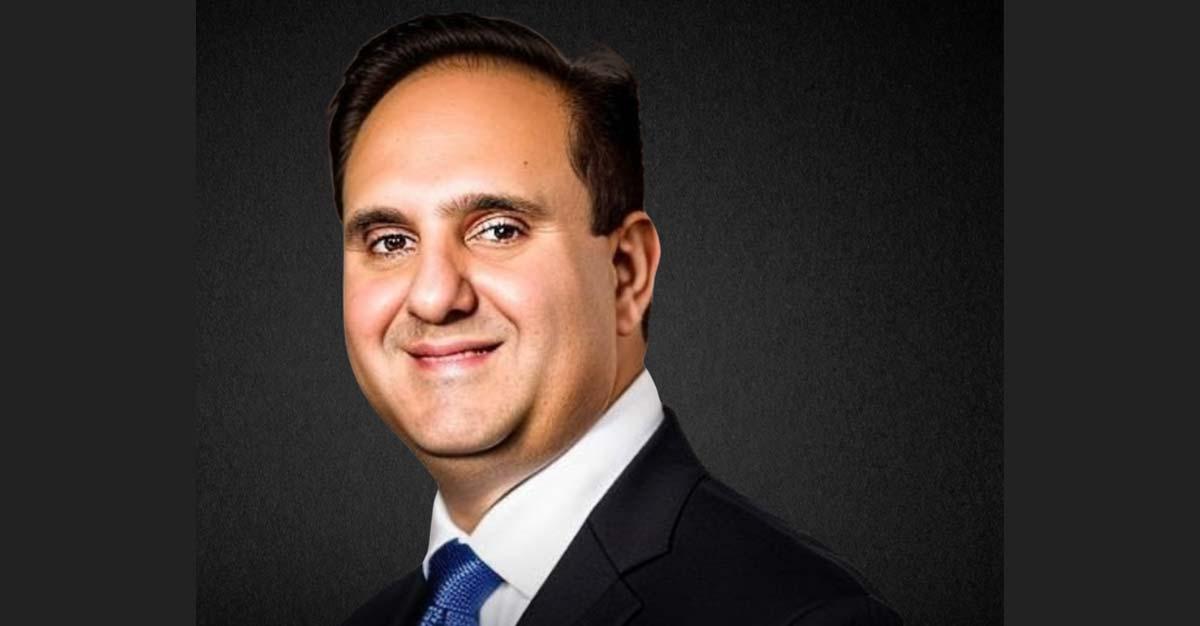
The article was written by Sanjiv Bajaj, Joint Chairman and Managing Director, Bajaj Capital Ltd.
✨ Key Takeaways
Every few months, someone asks me a familiar question: “When will India become a trillion-dollar economy?”
It is a fair question. We see new highways, new factories, new startups every day. The ambition is real. The momentum is real. But I often find myself thinking about a quieter question that does not get asked often enough.
How secure does the average Indian family feel today?
Because growth does not only happen in boardrooms or policy documents. It happens in homes, in the choices families make about spending, saving, educating their children, or taking a risk they have been postponing for years. And right now, many Indian households are still playing defence.
What Families Worry About Even When Things Are ‘Going Well’
You see it in small ways. A family doing reasonably well still hesitates before upgrading health cover. Parents delay retirement planning because school fees feel more urgent. Young professionals keep large sums parked in savings accounts, not because returns do not matter, but because uncertainty matters more. This is not a lack of ambition. It is a lack of reassurance.
For decades, Indian families have learned to be cautious, to save for emergencies that may or may not come, to rely on gold or property because they feel tangible, and to assume that one health emergency can undo years of careful planning.
That mindset shapes the economy far more than we realise. When households feel financially exposed, they postpone big decisions. Consumption slows. Entrepreneurship feels risky. Long-term planning takes a back seat. No economy can grow confidently when its families are constantly bracing for impact.
The One Illness That Changes Everything
If there is one moment that reveals how fragile household finances can be, it is a medical emergency. We have all seen it, sometimes up close. A sudden diagnosis. An unexpected hospital bill. Savings meant for children or retirement quietly disappear. Insurance, if it exists, turns out to be insufficient or misunderstood.
This is why insurance is not a ‘financial product’ in the usual sense. It is peace of mind. It is the difference between a temporary setback and a permanent financial scar. When families know that health, life, and income risks are covered meaningfully, their behaviour changes. They plan more confidently. They take measured risks. They stop hoarding money out of fear and start using it with purpose.
Penetration has improved, but coverage quality and understanding still lag. Bridging that gap is less about selling more policies and more about rebuilding trust through simplicity, transparency, and relevance.
Saving Is Not the Problem. Fear Is.
India does not have a savings problem. It has a confidence problem. Households save diligently. But too often, those savings sit idle earning little, achieving less. Not because families do not want better outcomes, but because they do not want surprises. The real shift we need is not from saving to spending, but from saving out of fear to saving with intention for healthcare, retirement, education, and long-term stability.
This is where financial literacy matters, not in the textbook sense, but in the everyday sense. Knowing how much insurance is enough. Understanding what retirement will actually cost. Feeling comfortable asking questions before signing on the dotted line. Technology has made access easier than ever. But confidence still comes from clarity, not convenience.
The Demographic Dividend Is a Household Story
We often talk about India’s young population as an automatic advantage. It is not. A young workforce becomes an asset only when families can afford to support learning, mobility, and change. When households feel financially secure, young people can reskill, relocate, and adapt. When they do not, they stick to what feels safe even if it limits growth. The demographic dividend is not unlocked by demographics alone. It is unlocked by household resilience.
Growth That Lasts Is Built from the Inside Out
India’s economic future is promising. But its durability will depend on how deeply that growth reaches into everyday life. Universal healthcare that actually covers costs. Retirement systems that do not assume lifetime employment. Financial inclusion that goes beyond bank accounts to real financial security. These are not soft issues. They are economic fundamentals.
A truly strong economy is one where families can plan without anxiety, where growth feels dependable, not fragile. A trillion-dollar economy does not stand on ambition alone. It stands on millions of households that feel secure enough to participate fully, take chances, and think long-term.
If we want India’s growth story to endure, we must start where it really begins, at home.
Disclaimer: The opinions expressed above are of the author and may not reflect the views of DSIJ.