Coal Gasification Gets ₹37,500 Crore Push; What the Scheme Means for India
 Join Us
 Follow Us
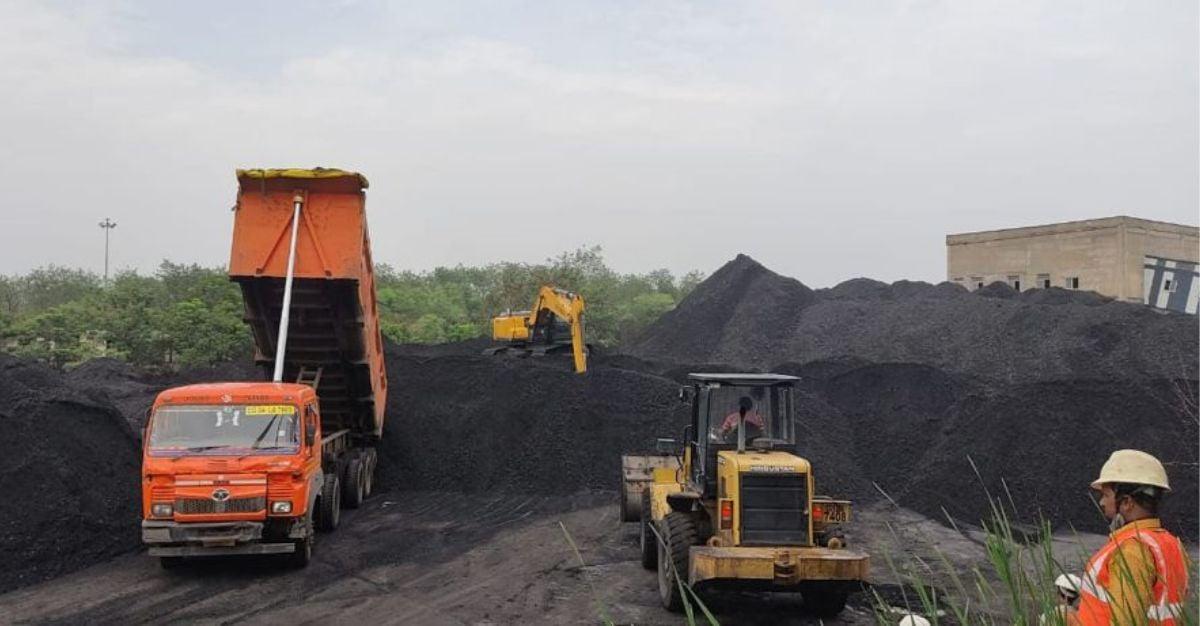
The new scheme targets 75 million tonnes of coal gasification, aims to cut energy imports, attract up to Rs 3 lakh crore in investment, and create around 50,000 jobs.
✨ Key Takeaways
The Union Cabinet, chaired by Prime Minister Narendra Modi, approved a Scheme for Promotion of Surface Coal and Lignite Gasification Projects on May 13, 2026, with a total financial outlay of Rs 37,500 crore. The decision is one of the more significant energy policy moves of the year, touching everything from India's import bill to job creation in coal-bearing regions.
What the Scheme Does
At its core, the scheme provides financial incentives to companies that set up new surface coal or lignite gasification projects. These projects convert coal and lignite into synthesis gas, commonly known as syngas, which can then be used to produce a range of fuels and chemicals domestically. The incentive is capped at a maximum of 20 percent of the cost of plant and machinery for each project.
To prevent any single entity from cornering the benefits, the scheme has clear caps built in. The financial incentive for any single project is capped at Rs 5,000 crore. For any single product, excluding synthetic natural gas and urea, the cap is Rs 9,000 crore. And for any single entity group across all its projects, the ceiling is Rs 12,000 crore. The incentive will be disbursed in four equal installments, each linked to project milestones rather than paid upfront. Projects will be selected through a competitive bidding process.
The scheme targets the gasification of approximately 75 million tonnes of coal and lignite, contributing to India's broader national target of gasifying 100 million tonnes of coal by 2030.
Why India Needs This
India holds one of the largest coal reserves in the world, estimated at around 401 billion tonnes, along with approximately 47 billion tonnes of lignite. Coal currently accounts for over 55 percent of the country's energy mix. Yet India imports a remarkably high proportion of several products that coal gasification could produce domestically. According to the government, more than 50 percent of India's LNG requirement is imported. Ammonia imports stand at nearly 100 percent of domestic consumption. Methanol imports are between 80 and 90 percent. Urea imports account for around 20 percent.
In FY2025, India's combined import bill for these substitutable products, including LNG, urea, ammonium nitrate, ammonia, coking coal, methanol, and dimethyl ether, stood at approximately Rs 2.77 lakh crore. That is a significant amount of foreign exchange leaving the country every year for products that India has the raw material to produce itself. The ongoing geopolitical situation in West Asia has made this dependence more visible, as supply chain disruptions and price volatility in global energy markets directly affect what India pays for these imports.
What It Is Expected to Deliver
The government expects the scheme to mobilise private investment of between Rs 2.5 lakh crore and Rs 3 lakh crore. It is projected to generate around 50,000 direct and indirect jobs across 25 projects, concentrated in coal-bearing regions that have historically depended on the mining sector for employment.
From a revenue standpoint, the coal and lignite utilisation under the scheme is expected to generate approximately Rs 6,300 crore annually for the government, with additional revenue flowing in through GST and other downstream levies.
The scheme is deliberately technology-agnostic, meaning companies are not restricted to any particular gasification technology. However, the adoption of indigenous technologies is actively encouraged, with the longer-term goal of building a domestic coal gasification capability that reduces Reliance on foreign engineering, procurement, and Construction contractors.
Building on Earlier Groundwork
This is not India's first move in this direction. The National Coal Gasification Mission was launched in 2021, and a Rs 8,500 crore scheme was approved in January 2024, under which eight projects worth Rs 6,233 crore are already under implementation. The new scheme builds significantly on that foundation, both in scale and in policy certainty.
In a notable accompanying reform, the government has extended coal linkage tenure up to 30 years under the coal gasification sub-sector in the non-regulated sector linkage auction framework. That kind of long-term commitment matters for industries that require large upfront capital expenditure. Without policy certainty over a reasonable horizon, companies are reluctant to make the kind of investments this scheme is designed to attract.
Share your views in the comments below.
Disclaimer: This article is for informational purposes only and not investment advice.