Gold, Silver Import Duty Raised to 15% From 6% to Curb Imports, Support Rupee
 Join Us
 Follow Us
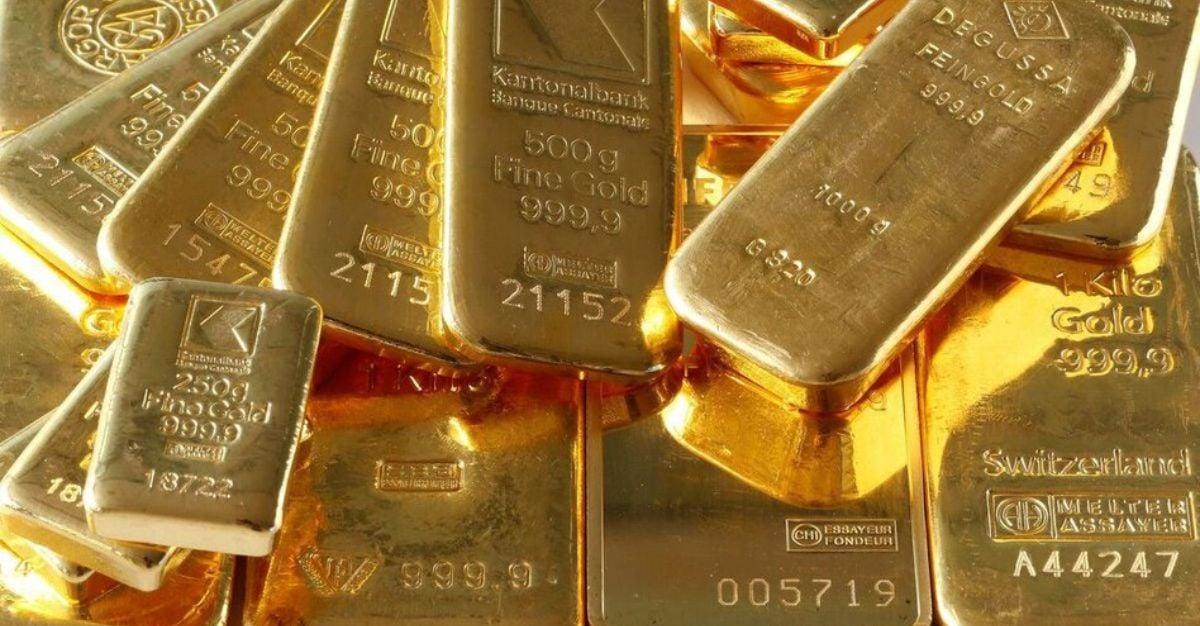
As per government notifications issued on Wednesday, the revised structure includes a 10 per cent basic customs duty along with a 5 per cent Agriculture Infrastructure and Development Cess (AIDC), taking the effective import tax on gold and silver imports to 15 per cent.
✨ Key Takeaways
The Indian government has raised import duties on gold and silver to 15 per cent from 6 per cent in a significant move aimed at reducing precious metal imports, protecting foreign exchange reserves, and supporting the weakening rupee amid rising global uncertainties.
As per government notifications issued on Wednesday, the revised structure includes a 10 per cent basic customs duty along with a 5 per cent Agriculture Infrastructure and Development Cess (AIDC), taking the effective import Tax on gold and silver imports to 15 per cent.
The move comes at a time when India is facing increasing pressure on its external finances due to elevated crude oil prices, geopolitical tensions in the Middle East, and a sharp rise in bullion imports. India, the world’s second-largest consumer of precious metals, relies heavily on imports to meet domestic gold demand.
Prime Minister Narendra Modi had earlier urged citizens to avoid non-essential gold purchases, including wedding-related buying, for one year in the national interest. The appeal was linked to concerns that rising imports were widening the trade deficit and putting pressure on India’s foreign exchange reserves.
Supporting the Prime Minister’s remarks, Global Trade Research Initiative (GTRI) highlighted that rising bullion imports were creating severe strain on India’s external finances. According to GTRI data, India’s gold bar imports surged from USD 36.5 billion in 2022 to USD 58.9 billion in 2025. Imports from the UAE also witnessed a sharp increase during the same period.
GTRI further recommended that the government review tariff concessions granted under the India-UAE Free Trade Agreement, stating that duty benefits extended to Dubai contributed to the rise in precious metal imports into India.
Union Minister Ashwini Vaishnaw also backed the government’s appeal during the CII Annual Business Summit 2026 in New Delhi. He urged citizens to reduce import-related spending to conserve foreign exchange reserves, especially as tensions in the Middle East continue to disrupt global trade and energy flows through the Strait of Hormuz.
Economists believe the higher duties could help narrow India’s current account deficit and provide support to the rupee, which has been among Asia’s weakest-performing currencies in recent months. However, the move is also expected to impact domestic demand for gold and silver as prices were already trading at elevated levels before the tariff hike.
Surendra Mehta, National Secretary at the India Bullion and Jewellers Association, said the increase in duties was aimed at controlling the current account deficit but cautioned that higher prices could hurt consumer demand.
Gold demand in India has risen sharply over the past year, particularly for investment purposes, as investors shifted away from equities following weak market returns in indices such as the Nifty 50. Inflows into India’s gold exchange-traded funds (ETFs) jumped 186 per cent year-on-year during the March quarter to a record 20 metric tonnes, according to the World Gold Council.
The government had already begun tightening gold imports in recent weeks by imposing a 3 per cent integrated goods and services tax (IGST) on gold and silver imports. Following this move, Banks temporarily halted imports for more than a month.
As a result, India’s gold imports in April fell to near 30-year lows. Imports resumed after banks started paying the 3 per cent IGST, but bullion dealers now expect imports to decline again following the latest duty hike.
Industry participants also warned that the sharp rise in duties could revive illegal gold smuggling activities, which had reduced after India lowered tariffs in mid-2024.
Bullion dealers said the widening gap between domestic and international prices could once again make smuggling profitable. A Mumbai-based bullion dealer at a private bank noted that grey markets are likely to become active again as smugglers could earn significant profits at current gold price levels.
The latest increase in import duties marks one of the government’s strongest attempts in recent years to curb non-essential imports and stabilise India’s external financial position amid growing geopolitical and economic uncertainties.
Disclaimer: The article is for informational purposes only and not investment advice.