Low Rates, High Returns?
 Join Us
 Follow Us
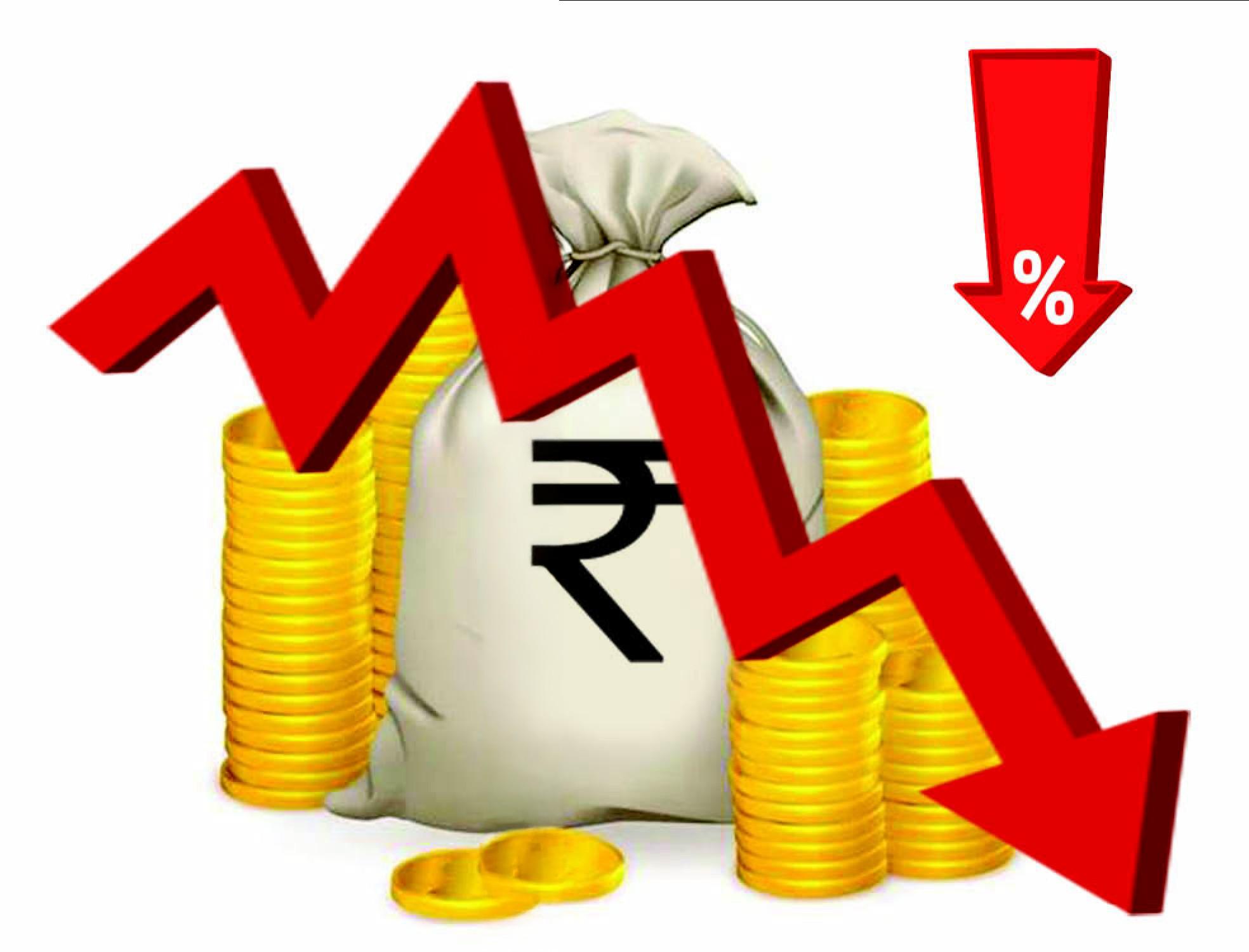
As inflation stabilises, central banks worldwide are initiating rate cuts to support sustained economic growth.
✨ Key Takeaways
As inflation stabilises, central banks worldwide are initiating rate cuts to support sustained economic growth. So, what sectors should one invest in during this phase of a lower interest environment? The article highlights the primary sectors that stand to benefit and explains the reasons why they should attract investor interest
In a significant move, the US Federal Reserve lowered policy rates by 50 basis points during its Federal Open Market Committee (FOMC) meeting on September 18, 2024. This reduction, the first in four years, was driven by progress towards the Federal Reserve’s dual mandate of maximum employment and price stability. The new interest rate target now sits at a range of 4.75 per cent to 5 per cent. Similarly, the European Central Bank (ECB) cut its key rates by 25 basis points in its September meeting, marking its second reduction this year, following a June cut.
Notably, the ECB has acted more swiftly than the Federal Reserve in response to easing inflationary pressures. In Asia, the People’s Bank of China (PBOC) followed the Federal Reserve’s lead by reducing its seven-day reverse repo rate by 0.2 per cent to 1.5 per cent, and unveiled its largest stimulus package since the pandemic to revive its economy and meet growth targets.

Domestically, while the Reserve Bank of India (RBI) held its repo rate steady at 6.5 per cent during its October 8, 2024 meeting, it shifted its stance from ‘withdrawal of accommodation’ to ‘neutral’, signalling the possibility of a rate cut in the upcoming December policy. The neutral stance maintains a balanced focus, placing equal weightage on managing inflation while also supporting economic growth. Central banks globally are moving towards easing, and as investors, understanding why interest rates are lowered and what sectors should one invest during a lower interest rates environment is essential for informed sector allocation decisions.
Why Do Central Banks Cut Interest Rates?
Central banks generally reduce interest rates in two key situations:
- Economic Downturns: During periods of recession or significant economic slowdowns, central banks cut rates to stimulate activity. Lower rates reduce the cost of borrowing, encouraging businesses to invest and consumers to spend, which drives economic recovery.
- Low Inflation: When inflation falls below the target levels, central banks reduce rates to encourage spending and investment, aiming to boost economic growth and bring inflation back to the target levels.
In the aftermath of the 2007-2008 financial crisis and the coronavirus pandemic, we saw aggressive rate cuts by central banks globally to prevent an economic collapse. Today, as inflation stabilises, central banks worldwide are initiating rate cuts to support sustained economic growth. So, what sectors should one invest in during this phase of a lower interest environment? In a low interest rate regime, several high-growth sectors in the Indian market benefit due to lower cost of capital and increased consumer spending.
Detailed below are the sectors poised to benefit from this scenario.
Banks
Banks witness increased lending activity and have better control over non-performing assets (NPAs) when the interest rates are low. Fee-based income also sees a significant boost during such periods, driven by increased credit card spending, wealth management services, investment banking activities, and transaction fees. This revenue stream strengthens banks’ profitability, even as net interest margins (NIMs) compress in a lower rate environment.
NBFCs and Housing Finance Companies
Lower interest rates improve affordability by reducing loan payments, driving demand for credit, particularly in housing and discretionary segments like personal loans and vehicle financing. The declining cost of capital allows these institutions to offer competitive interest rates while maintaining healthy margins. The increased demand for loans during low-rate environments positions this sector for strong growth.
Renewable Energy Sector
India has set an ambitious goal to achieve 50 per cent of its cumulative electric power capacity from renewable sources by 2030, aiming for net-zero carbon emissions by 2070. To meet this target, the country plans to install 500 GW of renewable energy capacity by 2030. Lower interest rates reduce the financing costs for these projects, enabling companies to expand their capacity more affordably. The sector’s growth is further supported by favourable government policies, declining technology costs, and rising demand for sustainable energy solutions, which are expected to accelerate expansion in the coming years.
Consumer Discretionary Products
Consumer discretionary product companies benefit from increased household spending when interest rates are low, as reduced borrowing costs and lower EMIs (equated monthly instalments) give consumers more disposable income. This sector, which includes retail, hospitality, entertainment and luxury goods, often experiences revenue growth during economic expansions driven by low rates. Additionally, affordable financing options for big-ticket purchases like electronics and travel further bolster demand. Businesses in this space can expect better revenue growth and margin improvement due to increased consumer spending.
Utilities
Utilities, typically seen as defensive, become attractive during low interest rate periods due to their stable cash flows and dividend yields. Cheaper financing enables these companies to invest in infrastructure and capacity expansion projects, such as power plants and transmission networks. Additionally, long-term projects become more feasible, and income-focused investors are drawn to utilities for their consistent dividend payouts, making the sector resilient and appealing during such environments.
Automobiles
The automotive sector often sees a boost in demand when the interest rates fall as vehicle financing becomes more affordable. Lower monthly payments encourage consumers to purchase new vehicles, driving volume growth for the industry. This correlation between lower interest rates and higher vehicle sales has been a key factor in the sector’s growth during low-rate periods.
Fast Moving Consumer Goods
While the fast moving consumer goods (FMCG) sector is known for its resilience across economic cycles, it gains additional momentum in low-interest-rate environments. Increased disposable income from lower borrowing costs allows consumers to trade up to premium and branded products, which boosts sales volumes and expands margins. Furthermore, lower rates enable FMCG companies to invest in marketing, distribution and product development without significantly increasing debt servicing costs.
Internet Businesses
Internet businesses such as Zomato, Nykaa and Easy Trip Planners tend to see increased activity in low interest rate environments, as discretionary spending rises. Enhanced purchasing power boosts demand for services like food delivery, travel bookings and beauty products, driving business growth for these companies.
Conclusion
All the sectors mentioned above are poised to benefit during a lower interest rate environment. However, before committing any funds, investors must carefully assess the valuation at which they enter a stock, as this is a critical factor in determining the returns. It’s essential to evaluate the nature of the business, its growth trajectory and sustainability, the management quality, and the company’s cash flows when determining whether to pay a higher or lower valuation.
If a company is positioned for long-term growth, has a secular growth story, strong cash flows relative to the industry, and proven management execution, it may be justifiable to pay a slightly higher price for the stock. If the growth story is short-term, the business is cyclical, or its cash flows are weaker, paying high valuations would be a recipe for disaster. Therefore, selecting the right high-growth businesses at reasonable valuations is crucial for maximising the investment returns.