PhonePe Receives SEBI Nod for India’s 2nd Largest Fintech IPO
 Join Us
 Follow Us
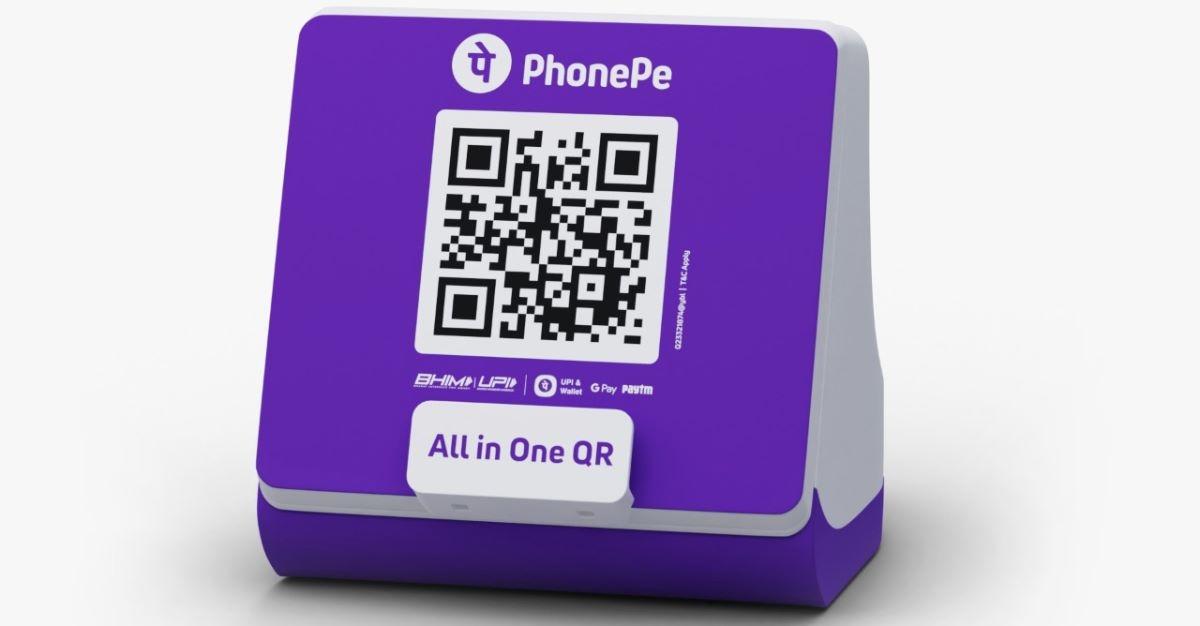
PhonePe’s market dominance serves as the cornerstone of its high-octane IPO bid.
✨ Key Takeaways
The stage is set for a historic milestone in India's fintech landscape as PhonePe, the undisputed leader in the Unified Payments Interface (UPI) segment, prepares for its debut on the Indian stock markets. Having secured approval from the Securities and Exchange Board of India (SEBI), the Bengaluru-based payments giant is moving forward via the confidential pre-filing route. This public listing is positioned to be the second-largest "new economy" IPO in India, following the 2021 debut of its rival, Paytm. With advisors like Kotak Mahindra Capital, Citi, Morgan Stanley, and JP Morgan at the helm.
PhonePe’s market dominance serves as the cornerstone of its high-octane IPO bid. Currently, the platform commands approximately 45 per cent of the UPI market share, comfortably ahead of its nearest competitor, Google Pay, which holds around 35 per cent. This lead is particularly significant given that UPI processes over 85 per cent of the country’s digital payments. Processing close to 10 billion transactions worth over Rs 12 lakh crore every month, PhonePe has demonstrated a remarkable ability to maintain its stronghold even as deep-pocketed new entrants attempt to disrupt the space.
While PhonePe has successfully diversified into multiple verticals—including the stock trading app 'Share.market', lending platforms, and insurance distribution—its core payments business remains the primary engine of growth. Payment services currently anchor the company’s financials, accounting for over 90 per cent of its total revenue. However, the company is navigating a transition toward "scale economics." By leveraging its massive user base of over 65 crore registered users, PhonePe aims to reduce per-transaction costs and improve margins through higher-margin services like insurance and wealth management, which are expected to grow faster than basic processing.
The IPO is structured as a pure Offer for Sale (OFS), involving a combined dilution of approximately 10 per cent stake from major shareholders. Global retail giant Walmart, which owns over 70 per cent of the company, is the lead promoter seller, alongside venture capital firm Tiger Global and tech giant Microsoft. This choice to forego raising fresh capital is a strategic signal of financial self-sufficiency. It suggests that PhonePe’s management believes the business can fund its expansion and operational needs through its own cash flow, rather than relying on new public funds to sustain its asset-light model.
Despite its market-leading position, the company is transparent about the hurdles it faces, particularly regarding its path to profitability. PhonePe has a history of net losses, reporting a restated loss of over Rs 1,400 crore for the first half of fiscal year 2026. This period saw a moderation in revenue growth to 22 per cent, partly due to regulatory shifts in gaming and rent payments that wiped out nearly Rs 1,500 crore in annual run-rate revenue. Investors will need to weigh these historical losses against the company's improving unit economics and its ability to navigate a tightening regulatory environment.
One of the most critical external factors for prospective investors is the evolving regulatory framework in India. The National Payments Corporation of India (NPCI) has proposed a 30 per cent volume cap on UPI transactions to prevent market concentration. While this has been deferred until December 31, 2026, any future enforcement could impact PhonePe's ability to onboard new users at its current pace. Furthermore, the company remains dependent on its three sponsor PSP Banks—Yes Bank, Axis Bank, and ICICI Bank—meaning any operational breakdown within these networks could pose a risk to its daily transaction volumes.
Disclaimer: The article is for informational purposes only and not investment advice.