Power Play: Opportunity or Overload?
 Join Us
 Follow Us
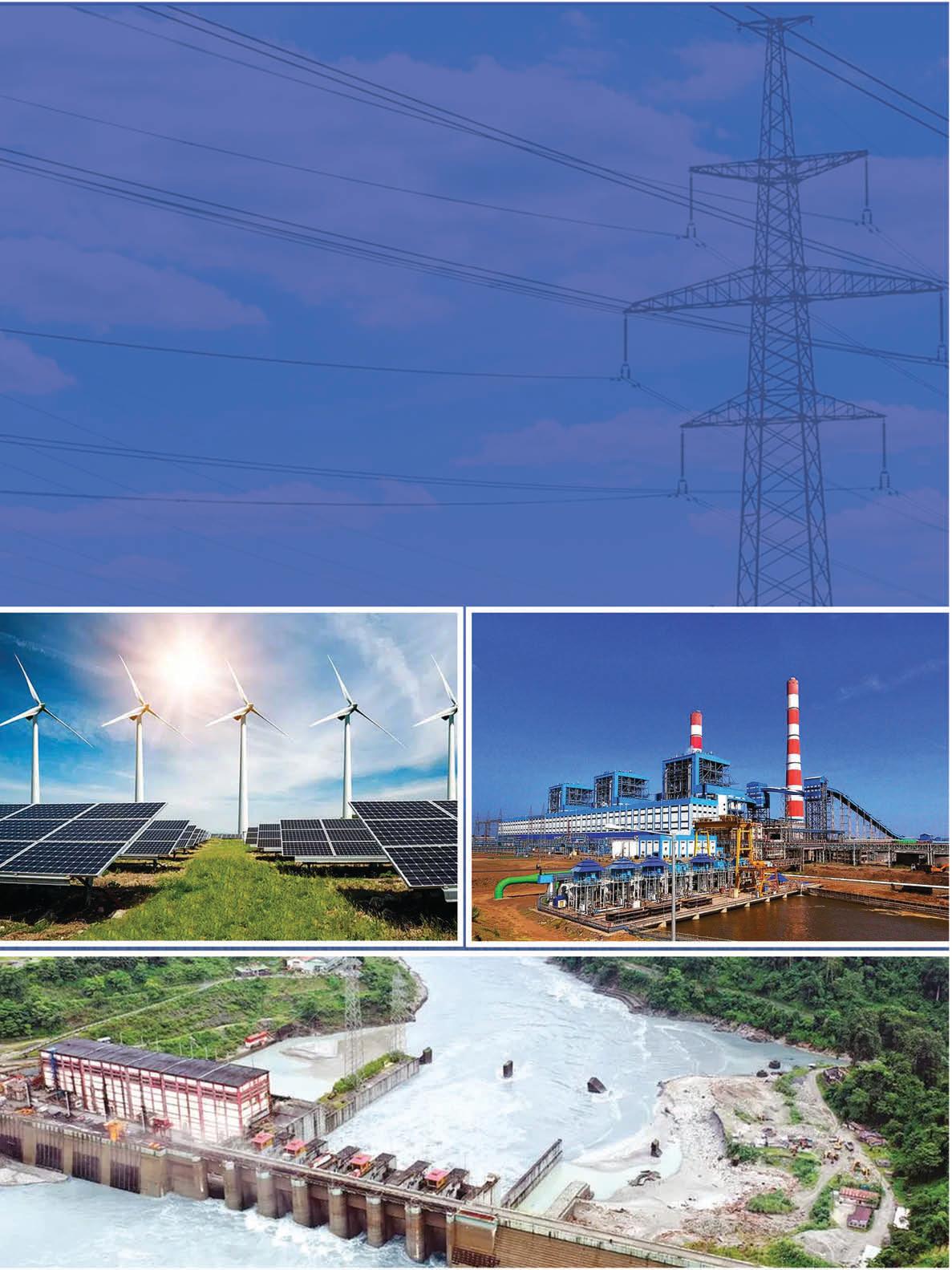
Until recently, the power sector was among the most celebrated themes in the Indian equity market. Over the past five years, it delivered outstanding returns, leaving investors highly optimistic.
✨ Key Takeaways
Amidst rising India-Pakistan tensions and precautionary power blackouts, the Indian power sector stands at a pivotal juncture. Seasonal demand and long-term structural drivers are aligning to energize the sector’s next phase of growth. With the BSE Power Index about 25 per cent below its peak, investors wonder—is this a value-buying opportunity or a risky catch of a falling knife? Mandar Wagh explores the sector’s financial performance, government initiatives, and key growth triggers, while addressing the pressing question: Is this the right time to invest?
Until recently, the power sector was among the most celebrated themes in the Indian equity market. Over the past five years, it delivered outstanding returns, leaving investors highly optimistic. The sector gained remarkable traction post the COVID-19 pandemic, with power stocks entering a sustained rally. Despite facing headwinds from global events like the Russia-Ukraine war and prolonged weak sentiment during FY22-23, the BSE Power Index skyrocketed nearly 500 per cent during its rally, underscoring the significant wealth creation driven by fundamentally strong companies.
However, sentiment has shifted. Since October 2024, the broader domestic market has entered a corrective phase, and power sector stocks have taken a sharp hit. The BSE Power Index tumbled over 35 per cent from its record high to its February 2025 low. Even after a partial recovery, the index continues to trade nearly 25 per cent below its peak, making it one of the worst-performing sectoral indices in the past 6-7 months. However, this correction has also brought several fundamentally strong stocks to more attractive valuation levels, creating potential entry points for long-term investors.
Seasonal investing continues to influence investor behaviour, particularly when it comes to the power sector during the scorching summer months. With temperatures soaring, electricity consumption surges, driven by increased use of air conditioners, industrial cooling systems, and irrigation pumps in rural areas. This translates into higher demand for both thermal and renewable energy. As a result, investors anticipate strong operational performance from power generation, transmission, and distribution companies.
Moreover, favourable government interventions to curb power outages, rising spot electricity prices, and better realization from peak-hour tariffs further boost investor confidence in the sector during this period. A key question on many investors' minds is whether the current environment presents the right opportunity to invest in the power sector. More importantly, should such an investment be driven solely by seasonal tailwinds or be viewed through the lens of long-term structural potential? Let’s take a deeper look at the sector to help investors make more informed and well-timed investment decisions.
An Overview of the Sector

India’s power sector is a critical pillar of the country’s economic development, enabling industrial growth, rural electrification, and infrastructure expansion. The sector's contribution to India's GDP is substantial, directly influencing industrial output and indirectly supporting various economic activities. As the third-largest producer and consumer of electricity globally, India’s total installed power capacity stood at over 460 GW as of January 2025, with coal, renewables, hydro, and nuclear power contributing to the energy mix.
India has set an ambitious target to generate 500 GW of power from non-fossil fuel sources by 2030, with the goal of ensuring that 50 per cent of its total electricity capacity comes from renewable energy. With a projected market size of USD 300 billion by 2030, the sector is poised for continued growth, driven by factors such as increased energy demand, infrastructure development, and policy initiatives. Over the past decade, the sector has experienced a CAGR of 5-6 per cent, reflecting the nation's expanding energy needs and the sector's capacity to meet them.
India’s power sector is segmented into generation, transmission, and distribution. Generation covers conventional sources like coal, gas, and nuclear, along with renewables such as solar, wind, and hydro. Transmission handles high-voltage power transfer from plants to substations, while distribution ensures last-mile delivery to residential, commercial, and industrial users. Together, these segments form the backbone of India’s electricity infrastructure and energy transition goals. Let’s examine the financial performance of leading power companies to gain a clearer perspective on the sector’s overall health and growth trajectory.

Tracking the Financial Pulse
To provide a comprehensive overview of the sector’s performance, we have analysed all the constituents of the BSE Power Index—spanning generation, transmission, distribution, and integrated energy players—offering valuable insights into the key companies driving India’s evolving power landscape. At the time of writing, only 2-3 power companies had released their Q4 results. Therefore, to ensure consistency and enable a fair comparison across all companies and the sector as a whole, we have based our analysis on Q3FY25 performance. The numbers indicate that while the year-on-year performance remained strong, the sector exhibited a muted quarter-onquarter trend.
In Q3FY25, aggregate revenue grew by around 7 per cent year-on-year, with net profit rising by a healthy 17 per cent. However, on a sequential basis, revenue declined by 3 per cent, and net profit registered a modest growth of 5 per cent, indicating a slowdown in short-term momentum despite strong annual gains. In terms of revenue growth, power equipment and component manufacturers like Suzlon Energy Ltd and Bharat Heavy Electricals Ltd delivered strong double-digit growth both year-on-year and sequentially. It was primarily driven by a robust pipeline of orders, fuelled by the continued government focus on renewable energy and infrastructure expansion.
These companies benefited from increased capital expenditure in the sector, rising demand for wind turbines, transformers, and other grid components, and a pickup in project execution post-monsoon. In contrast, leading power generation and transmission companies reported only marginal growth or, in some cases, even a decline in revenue. The December quarter typically sees lower electricity demand compared to the September quarter, when demand is generally higher due to factors such as increased usage for agricultural activities,


particularly irrigation, and higher industrial consumption during the festival season, impacting generation volumes. In addition, revenue gains for many producers were constrained by regulated tariffs and muted spot market prices.
Transmission players, operating on fixed returns regulated by the Central Electricity Regulatory Commission (CERC), also saw limited room for topline expansion during the quarter. Meanwhile, NHPC Ltd, a key player in hydro power, reported a weak showing with a 25 per cent decline in revenue and a sharp 70 per cent drop in net profit quarter-on-quarter. NTPC Ltd, the sector leader, posted a marginal revenue increase but recorded a remarkable 47 per cent year-on-year and 90 per cent sequential surge in net profit, contributing nearly one-third of the sector’s total profits and significantly boosting overall performance.
The Indian power sector is expected to see improved earnings in Q4FY25. Seasonal factors play a significant role in shaping the sector’s performance in Q4FY25. The colder temperatures during the winter season, particularly in northern and central India, lead to increased electricity demand for heating and industrial activities. Additionally, the rabi crop sowing season boosts power consumption for irrigation, especially in rural areas, contributing to higher overall demand. Moreover, the end-of-fiscal-year rush, where companies strive to meet production targets and quotas, results in a surge in power usage, positively impacting revenue for power generation and distribution companies.
As domestic markets began to recover following a 90-day pause on tariffs, the power sector too saw renewed buying interest. Investors appeared to be factoring in the potential for an uptrend in power stocks, driven by expectations of in-line or better-than-anticipated Q4FY25 performances. This sentiment reflects optimism surrounding seasonal tailwinds and early earnings indicators pointing to a positive momentum across key players. Among the early Q4FY25 result disclosures, CG Power & Industrial Solutions Ltd, Adani Energy Solutions Ltd and Waaree Renewable Technologies Ltd have reported strong double-digit growth in both revenue and net profit.
Structural Drivers, Beyond Seasonal Tailwinds
India’s power sector is undergoing a significant transformation, driven by robust policy support and rising energy demand. A report by a leading brokerage firm highlight that the sector holds immense investment potential, estimated at ₹40 lakh crore over the next ten years. With the government’s ambitious goal to achieve 500 GW of non-fossil fuel capacity by 2030, a series of initiatives are being implemented to modernize the infrastructure and accelerate renewable energy adoption. India has already rolled out an ambitious ₹9.15 lakh crore roadmap to modernize and strengthen its power infrastructure.
One of the major policy drivers is the Revamped Distribution Sector Scheme (RDSS), which aims to reduce distribution losses and improve the financial health of discoms through


infrastructure upgrades and smart metering. Additionally, the recently proposed Electricity (Amendment) Bill aims to introduce healthy competition in the distribution segment, enhancing efficiency and service delivery. The Green Energy Corridor project is strengthening the transmission network to accommodate the surge in renewable energy. Also, the National Electricity Plan lays a clear roadmap for capacity expansion, including significant investments in solar, wind, and hydro.
The sector is also witnessing growing private sector participation and foreign investments, particularly in renewables. Moreover, the Production Linked Incentive (PLI) scheme for high-efficiency solar PV modules is catalysing domestic manufacturing, reducing dependence on imports, and creating new investment opportunities. A key highlight is the Union Cabinet’s approval of the PM-Surya Ghar: Muft Bijli Yojana, a ₹75,000 crore initiative aimed at driving rooftop solar adoption. The scheme targets one crore households, offering them up to 300 units of free electricity per month through subsidized solar installations.
In another strategic move, the Union Budget 2025-26 launched the Nuclear Energy Mission with an outlay of ₹20,000 crore, underscoring the government’s renewed commitment to clean, reliable, and long-term energy solutions. It prioritizes research and development of Small Modular Reactors (SMRs), paving the way for safer, scalable nuclear power and encouraging private sector participation in atomic energy. With rising urbanization, industrialization, and digitalization, power demand is expected to grow steadily. Supported by proactive government policies and a strong push for sustainability, India’s power sector is well-positioned for multi-decade growth— offering attractive prospects for investors seeking structural opportunities in the country’s energy transition.
Is It the Right Time to Invest Amid War Tensions?
With rising geopolitical tensions between India and Pakistan, many investors initially expected the Indian equity markets to react negatively. Surprisingly, the markets have shown resilience, defying predictions of a steep decline. Instead, both Foreign Institutional Investors (FIIs) and Domestic Institutional Investors (DIIs) have stepped up their buying activity, encouraged by a prolonged 8-month correction that has created attractive entry points. A weakening U.S. dollar has further boosted sentiment, improving foreign investor appetite and lending strength to the rupee. Inflation remains comfortably within the RBI’s target range, and the possibility of further rate cuts could provide additional support to economic growth.
The central bank has also ensured adequate liquidity in the banking system, which could drive a pick-up in credit growth. On the trade front, India recently finalized a free trade agreement with the U.K. and is actively negotiating tariffrelated issues with the U.S.—moves that could enhance export competitiveness. Meanwhile, Q4FY25 earnings reported so far have largely met expectations, indicating that corporate fundamentals remain intact. While geopolitical risks can’t be ignored, the underlying market drivers—earnings, foreign inflows, monetary policy support, and improving global sentiment—suggest that any sharp market reaction may be short-lived. For long-term investors, current conditions could present a strategic opportunity rather than a cause for concern.
Given the improving macroeconomic backdrop and the power sector’s strong long-term growth potential—driven by structural tailwinds and potential seasonal demand opportunities—this could be an opportune time for investors to consider long-term exposure to the sector. However, success will depend on careful stock selection. Investors should focus on fundamentally sound companies with consistent earnings visibility and reasonable valuations, rather than being swayed by price corrections from 52-week highs or short-term rallies that may not reflect sustainable value. Stay tuned to Dalal Street Investment Journal for in-depth insights and timely updates on emerging investment opportunities.