RBI Policy: What changes for your debt fund investment?
 Join Us
 Follow Us
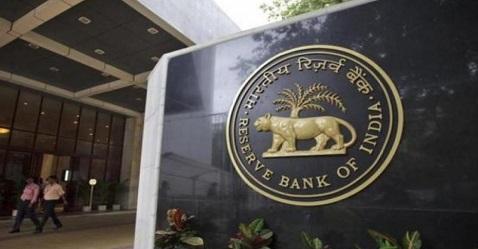
In the recent monetary policy review meet, RBI hiked repo rates by 25 basis points and adjusted the reverse repo rate under the LAF to 6 per cent. The marginal standing facility (MSF) rate and the Bank Rate is now 6.50 per cent.
✨ Key Takeaways
For the debt fund investors, a rate hike is always bad news as it impacts the returns from the debt-fund schemes. In the recent monetary policy review meet, RBI hiked repo rates by 25 basis points and adjusted the reverse repo rate under the LAF to 6 per cent. The marginal standing facility (MSF) rate and the Bank Rate is now 6.50 per cent.
The decision of Monetary Policy Committee (MPC) is constant with a neutral stance on liquidity. MPC expressed the objective of achieving a medium-term target of 4 per cent CPI inflation within a band of +/- 2 per cent, while supporting growth.
Whenever the interest rates go up, long-term debt schemes that invest in debt instruments with higher maturity get badly hit. Due to the inverse relationship between bond prices and yields, the NAV of long-term debt schemes falls whenever the interest rates go up.
The investors in such situation should stick to the short-term debt funds instead of the long-term debt funds. One who has already invested in the long-term debt funds should have the risk appetite and patience to wait for very long term. Credit opportunities funds also form a good choice in the current situation.