Rising US Dollar Hampering Commodity Prices
 Join Us
 Follow Us
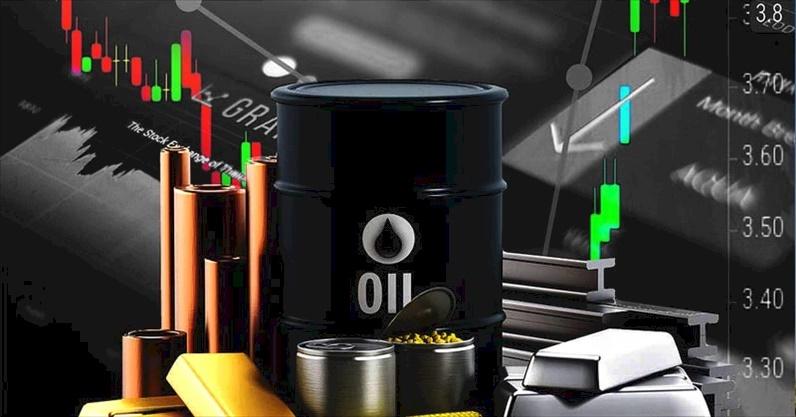
The strong dollar has hit a multi-decade high as US policymakers rejected the idea that there should be a concerted global effort to rein in the US currency, which is mostly to blame for the significant decline in commodity prices.
✨ Key Takeaways
"The strong dollar has hit a multi-decade high as US policymakers rejected the idea that there should be a concerted global effort to rein in the US currency, which is mostly to blame for the significant decline in commodity prices."
Commodities have been suffering due to the USD’s continuous rise and tightening monetary policy. Commodity prices have prolonged the slide from the highs of 2022 and are expected to decline in October and continue through the current quarter. The strong dollar has hit a multi-decade high and has continued to rise as US’ policymakers rejected the idea that there should be a concerted global effort to rein in the US currency, which is mostly to blame for the significant decline in commodities prices.
The aggressive rate increases by the central banks, which have fuelled recessionary concerns all across the world, are also to blame for the downward spiral in prices. Since reaching its 2022 highs of USD 2,052 per ounce, gold has fallen drastically by 20 per cent and is trading near USD 1,625 per ounce. After falling by 33 per cent from its 2022 high of USD 26.39 per ounce and trading at USD 17.20 per ounce, silver is starting to lose its lustre. Meanwhile, energy costs have drastically decreased as a result of recessionary warnings. From their peak prices in 2022, crude oil and natural gas are now trading at USD 77 and USD 6.7, respectively, down 38 per cent and 30 per cent.
The Organization of Petroleum Exporting Countries (OPEC) and its partners will be able to reduce production as a result of the recent decline in oil prices. According to reports, Russia has requested that OPEC+ reduce output by around 1 million barrels per day. The price of copper, a key indicator of the world economy, has dropped 37 per cent from its peak of USD 5.02 in 2022 to its present level of USD 3.3. The industrial metals sector has seen the largest correction in aluminium. From its peak of USD 4,103 this year, it has dropped by almost half to currently trade at USD 2110.

Other metal prices have also drastically decreased since their 2022 highs, with steel losing 25 per cent, iron ore losing 37 per cent, zinc falling 26 per cent and nickel plunging by 47 per cent. Regarding soft commodities, cotton is now trading at USD 88 a pound, down by 43 per cent from its 2022 high of USD 158 per pound. The price of palm oil has also fallen by 50 per cent from its year-high of 7,104 MYR per tonne to currently trade at 3,530 MYR per ton. From peak 2022 wheat prices of USD 1,277 per bushel to the present USD 869 per bushel, a 17 per cent decline has occurred.
In the three months leading up to September, oil fell by 25 per cent as the global economy shrank and reduced energy demand. Banks like UBS Group AG and JPMorgan Chase & Co. recently stated that to stabilise prices, OPEC+ may need to reduce production by at least 500,000 barrels per day. In an effort to resuscitate its economy, China announced new limitations for crude imports and gasoline exports, which helped to boost the price of oil in Asia. Energy demand has fallen in the largest crude importer in the world as a result of covid-19 virus lockdowns and a downturn in the housing market this year.