SEBI May Pause Closing Auction for Derivatives by October-End 2026
 Join Us
 Follow Us
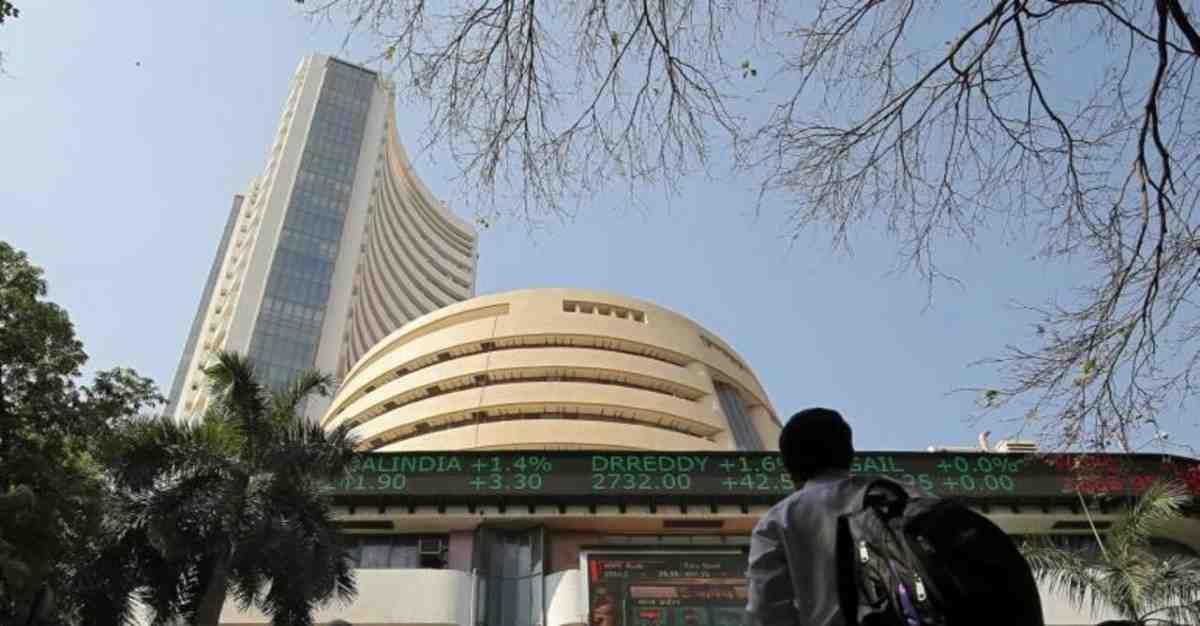
SEBI may restore 30-minute VWAP for derivatives settlement by October-end, while CAS could continue for less-liquid cash-market stocks.
✨ Key Takeaways
India’s derivatives market could see another major regulatory change within weeks, with the Securities and Exchange Board of India (SEBI) reportedly considering suspending the newly introduced Closing Auction Session (CAS) for determining derivatives settlement prices and restoring the 30-minute volume-weighted average price (VWAP) methodology.
The proposed reversal comes barely two months after CAS was introduced on August 3, 2026, following concerns over sharp price movements around derivatives expiry. However, SEBI has yet to issue a final regulatory circular confirming the proposed changes.
Before August 2026, the closing price of a stock was determined using the VWAP of trades executed during the final 30 minutes of continuous trading. SEBI replaced this mechanism for eligible futures and options (F&O) stocks with CAS, under which orders are brought together during a separate auction to determine a single equilibrium closing price.
The objective behind CAS was to concentrate liquidity near the market close and create a more transparent price-discovery mechanism. Closing prices are particularly important because they influence index calculations, derivatives settlement and other end-of-day valuations.
CAS was introduced from August 3, 2026, for stocks with F&O contracts. Its implementation also changed how the closing values of indices such as the Nifty 50 were determined. On the first day of implementation, the Nifty 50 rose 1.6 per cent to 24,774.30, while the Sensex gained 0.7 per cent to 78,639.03, highlighting an unusual divergence during the transition to the new closing mechanism.
According to the latest reports, SEBI is considering suspending the use of CAS for determining derivative settlement prices for at least one year. Under the proposed framework, the final 30-minute VWAP could once again become the reference for derivatives settlement prices, while the use of CAS for derivatives settlement could be paused for at least one year.
The proposed changes are reportedly expected to be implemented by the end of October 2026. SEBI has also received around 20,000 comments and suggestions on the proposed changes.
Importantly, the potential rollback does not necessarily mean that CAS itself will disappear from the Indian market. The auction mechanism may continue to determine end-of-day prices for stocks where liquidity in the regular cash market is relatively low.
The review follows concerns that the auction-based mechanism may have contributed to unusually sharp movements in underlying stocks and, consequently, in derivative prices around expiry. SEBI formally announced a review of the derivatives settlement methodology following the CAS rollout and released a consultation paper on September 12, 2026, covering the closing auction, market timings and derivatives settlement.
The consultation generated an unusually large response, with around 20,000 comments and suggestions submitted on the proposed changes. Reports also indicate that the existing closing schedule for the cash and derivatives markets is likely to be retained. Greater clarity around indicative index values during the auction process may also be maintained rather than reducing the information available to investors.
For derivatives participants, a return to the 30-minute VWAP methodology would spread the settlement-price calculation across a broader trading window instead of making it heavily dependent on a concentrated closing auction. This could be particularly relevant on expiry days, when sharp price movements near the close can have a significant impact on final settlement prices.
The proposed change could therefore alter the behaviour of derivatives settlement prices and potentially reduce the influence of abrupt price movements during a short closing window. However, the reported changes remain subject to SEBI’s final framework and regulatory circular.
If implemented by October-end 2026, the move would represent a partial rollback of one of the most significant changes made to India’s market-closing mechanism this year.
Disclaimer: The article is for informational purposes only and not investment advice.