Using Cash in Your Portfolio
 Join Us
 Follow Us
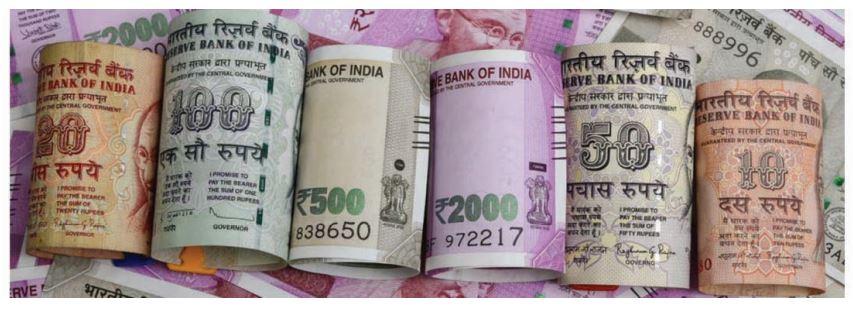
In this special report, we explore the untapped potential of cash within your investment portfolio. We dive deep into the art of managing your cash position to not only preserve capital but also harness it as a versatile instrument for seizing opportunities when the market turns turbulent
✨ Key Takeaways
Many of us sense cash as liquid slipping through our fingers like water while the endless expenses leave little for anything else. From time to time, you might ponder questions such as, “How can I set aside funds for unexpected emergencies?”, “What measures can I take to handle unexpected medical expenses for myself or my loved ones?” or “How can I amass sufficient wealth to attain financial comfort and achieve my financial objectives?” These queries suggest that each rupee you earn or own should be allocated to four primary purposes:
1. Emergency Savings: Planning for unexpected financial challenges.
2. Insurance Coverage: Safeguarding against unforeseen circumstances like illness and accidents.
3. Investment: Pursuing financial goals and the accumulation of wealth.
4. Expenditure: Sustaining your desired standard of living for both you and your loved ones.
While savings serve as a buffer for rainy days and insurance provides protection in the face of adversity, mutual funds may serve as a vehicle for achieving your financial aspirations and building wealth.
Cash in Your Portfolio
Cash is an important part of any investment portfolio. It can be used to cover unexpected expenses, take advantage of investment opportunities, and rebalance your portfolio. However, too much cash can also be a drag on your portfolio’s returns. Over the long term, the stock market has outperformed cash, so it is important to invest your cash in assets that have the potential to generate higher returns.
There are certain things to consider when using cash in your portfolio:
■ Set a cash reserve target. How much cash do you need to have on hand to cover unexpected expenses? Once you know your cash reserve target, you can invest the rest of your cash in other assets.
■ Consider your investment goals and risk tolerance. When choosing investment options for your cash, it is important to consider your investment goals and risk tolerance. If you have a short-term investment horizon or a low-risk tolerance, you may want to invest in more conservative assets, such as money market funds or short-term bonds. If you have a long-term investment horizon and a higher risk tolerance, you may want to invest in more aggressive assets, such as stocks or equity mutual funds.
■ Rebalance your portfolio regularly. As your portfolio grows and changes, it is important to rebalance it regularly. This means selling some of your assets that have outperformed and buying more of your assets that have underperformed. This helps to maintain your desired risk and return profile.
Here are some investment options for your cash:
■ Money Market Funds: Money market funds are a type of mutual fund that invests in short-term debt securities. They are very liquid and stable and they offer low but steady return.
■ Short-Term Bonds: Short-term bonds are bonds that mature within 3-5 years. They offer a higher return than money market funds, but they are also more risky.
■ Certificate of Deposits (CDs): CDs are a type of savings account that offers a higher interest rate than traditional savings accounts. However, they have a fixed term, so you cannot withdraw your money without penalty until the CD matures.
■ Bonds: Bonds are loans that you make to a government or company. When you invest in a bond, you are essentially lending money to the borrower in exchange for regular interest payments and the return of your principal amount at the end of the bond term. Bonds are generally less risky than stocks, but they also offer lower potential returns.
■ Gold: Gold is a traditional ‘safe haven’ asset. It is often seen as a hedge against inflation and economic uncertainty. Gold can be purchased in the form of physical gold, but currently, gold ETFs have become a preferred option for many investors.
Exploring Mutual Funds as Investment Avenue
Before delving into the world of mutual funds, it’s essential to evaluate your investment risk tolerance. In other words, are you comfortable with the idea of taking risks, and if so, to what extent? To determine your risk profile, take into account factors like your current financial situation, age, income, number of dependents and your overall comfort level with risk. For instance, if you are young, just starting out in your career, have no financial dependents and enjoy a healthy income, you may be more inclined to embrace a higher level of investment risk compared to someone middle-aged with significant financial responsibilities.
Once you have gauged your risk profile, you can make informed decisions about your asset allocation. This involves determining how much of your investments should be in equity and how much in debt. For instance, an investor with a low-risk profile may allocate a smaller portion to equity (e.g. 20 per cent) and a larger portion to debt (e.g. 80 per cent), given that equity carries higher risk than debt. For a medium-risk profile, a 60 per cent debt to 40 per cent equity ratio might be appropriate, while a high-risk profile might warrant a 20 per cent debt to 80 per cent equity allocation.
Now, let’s explore the various categories of mutual funds you can consider based on your chosen asset allocation:
1. Equity Funds: These mutual funds invest in stocks of companies across different sectors and market capitalisations. They seek out companies expected to exhibit faster growth than the overall market. While equity funds come with a higher level of risk due to their association with stocks, holding them for the long term can mitigate risk and potentially yield higher returns. These funds are suitable for achieving financial goals like building substantial wealth for comfortable retirement.Examples include diversified funds, focused funds, index funds and sectoral funds.
2. Debt Funds: These funds primarily invest in government securities, certificates of deposit, corporate bonds and money market instruments. The fund manager makes trades in debt securities based on changes in interest rates. When interest rates decline, the prices of existing debt securities rise, and vice versa. Debt funds carry lower risk compared to equity funds since they focus on debt instruments. They are ideal for meeting mediumterm financial goals such as buying a home, going on a vacation or purchasing a new car within the next 2-3 years. Examples include income funds, GILT funds, fixed maturity plans and liquid funds.
3. Hybrid Funds: These funds allocate a portion of their portfolio to equity and the remainder to debt. Some hybrid funds are equity-oriented, with around 65 per cent or more invested in equity, while others are debt-oriented with a similar allocation to debt securities. The level of investment risk associated with these funds depends on their orientation. Equity-oriented hybrid funds carry higher risk, while debt-oriented ones carry lower risk. These funds are suitable for investors who want the convenience of combining both debt and equity investments in a single option, catering to medium-term to long-term financial goals such as echildren’s education, marriage or international vacations planned for the next five years. Examples include balanced funds and monthly income plans.

Portfolio Allocation Summary
■ Equity Funds: 60 per cent
■ Debt Funds: 25 per cent
■ Gold ETF: 10 per cent
■ PPF: 5 per cent.
Analysis
■ Diversification: This sample portfolio is well-diversified across different asset classes, including equity, debt, gold, and a small allocation to the PPF. Diversification helps spread risk and reduce the impact of market volatility.
■ Risk and Return: The portfolio aims to balance risk and return. Equity mutual funds offer the potential for higher returns but come with higher volatility. Debt funds and PPF provide stability and safety but offer lower returns. Gold ETF serves as a hedge against economic uncertainties.
■ Expected Returns: The expected portfolio return is estimated to be in the range of 9.5 per cent to 11 per cent. The actual returns will depend on market performance and economic conditions.
■ Long-Term Goals: Consider your investment goals and time horizon when choosing this portfolio. It may be suitable for long-term goals like retirement or wealth accumulation.
■ Regular Monitoring: It’s crucial to periodically review and rebalance the portfolio to maintain the desired asset allocation. Changes in market conditions may require adjustments.
■ Risk Tolerance: Assess your risk tolerance before investing. If you have a lower risk tolerance, consider increasing the allocation to debt funds or PPF.
■ Financial Advisor: Consulting a financial advisor can provide personalised guidance based on your specific financial situation and goals.
Conclusion
Maintaining cash as a component of your investment portfolio offers advantages for both assertive traders and those with lower risk tolerance. Aggressive traders can leverage portfolio liquidity to seize opportunities for strategic purchases, while others may choose to employ rupee-cost-averaging strategies as a means to mitigate risk. Cash holdings in your portfolio serve as a stabilising force during periods of heightened market volatility, acting as a buffer to cushion the fluctuations in portfolio value.
Furthermore, cash presents a viable option for investors looking to shift away from equities following an extended bull market prompted by elevated price-to-earnings ratios across the market, the interplay of commodities with equities, and the potential risk associated with acquiring bonds at or near their historical highs. Remember that investing involves risk, and past performance is not indicative of future results. Tailor your portfolio to align with your individual circumstances and objectives and consider seeking professional advice for a comprehensive financial plan.