What should you be doing with your MFs now?
 Join Us
 Follow Us
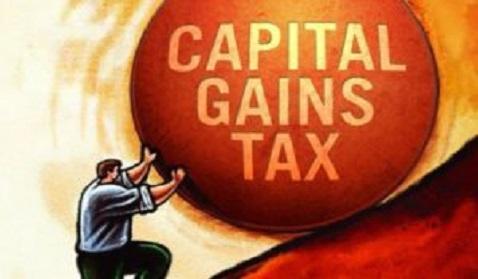
You need to tactfully keep on booking profit and rebalance your portfolio to minimise LTCG burden.
✨ Key Takeaways
The equity market has become more volatile since the announcement of long-term capital gain (LTCG) in budget 2018. The real culprit may not be the imposition of LTCG, but the global volatility which increased in the last fortnight and has contributed to heightened volatility in the Indian market.
Such volatility has caused much anxiety among investors and they are not sure what to do with their investments that will help them maximise their gains and minimise the tax burden.
We believe there is not much to worry about for
Looking at the current market trend and volatility, we do not see the market moving up much from here on
From FY19 onwards you need to pay LTCG on all the gains exceeding Rs. 1 lakh, if you hold your investments beyond 12 months. For the shorter duration of holdings, you have to anyhow pay short-term capital gain tax at a rate of 15
We believe there is a silver lining to this introduction to LTCG. First of all, it is not as bad as being perceived by investors, especially to retail investors. Our back of envelope calculation shows that you are liable to pay tax only if you invest
Moreover, if you keep on booking profit on your investments after every one year (not exceeding Rs. 1 lakh) and rebalance your portfolio to align with your investment objective, we do not see LTCG a burden or dampener in your investment returns. Therefore, instead of waiting for a period where your investment objective or certain corpus for which you have been investing matures, you need to tactfully keep on booking profit regularly and rebalance your portfolio and achieve your financial goal.