Turbulence Ahead: Airlines Navigate the Impact of War and Rising Costs
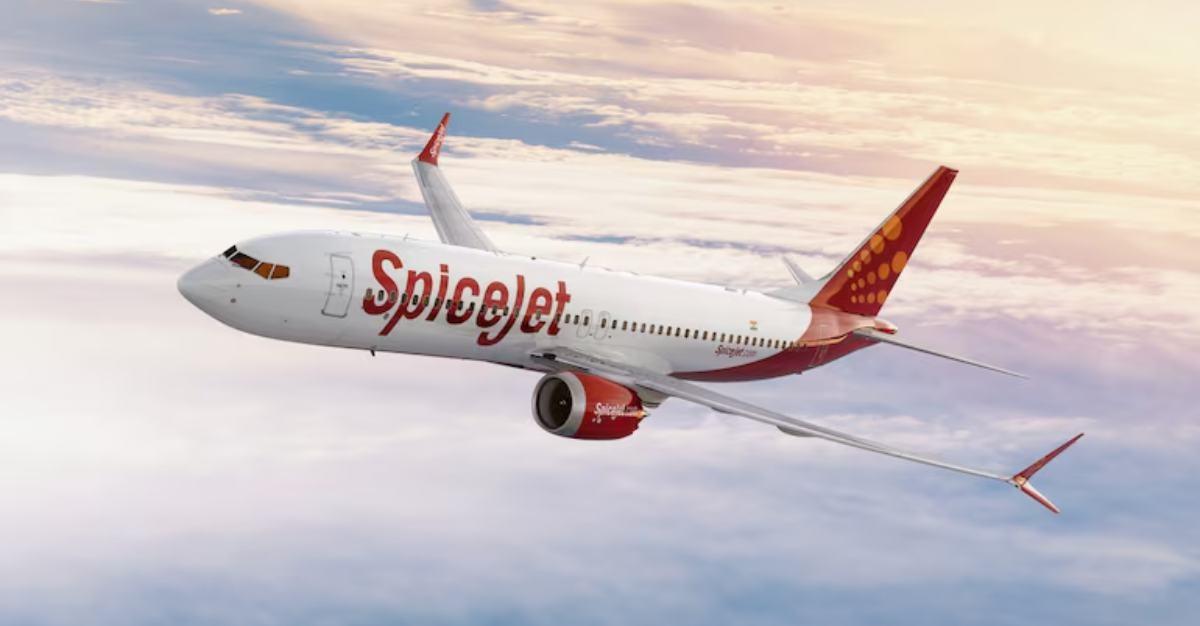
Rising tensions and war in the Middle East are forcing airlines to reroute flights, increase fuel consumption, and cancel services, leading to declining stock prices for major Indian carriers while private aviation sees growth.
✨ AI Powered Summary
On the sixth day of the United States-Israeli war against Iran, the situation is escalating inside Iran while regional tensions are intensifying across the Gulf, Lebanon and Iraq.
Iran has threatened global shipping in the Strait of Hormuz, and fighting is spreading across multiple fronts in the Middle East. Further afield, a US submarine has sunk an Iranian warship off the coast of Sri Lanka.
On Wednesday, i.e. March 03, 2026, the IRGC announced the closure of the strait, where Iranian threats to attack ships have brought maritime activity to a virtual standstill. This has led to a spike in crude oil prices and changed the transportation routes across the globe. As of March 05, 2026, the crude oil prices have hit USD 76. The price is expected to be raised further if the war continues.
This has led to ripple effects on the globe and particularly the aviation sector. The aviation sector relies on efficient, direct flight paths that connect continents. However, war zones often force the closure of airspace, immediately affecting thousands of flights. Several countries, including Iran, Israel, Iraq, and Jordan, have closed or restricted their airspace due to ongoing hostilities.
Due to airspace restrictions, the global aviation industry is facing increased costs, and fuel is one of the largest expenses for airlines, accounting for 25–35% of operating costs. India is unable to avoid this as well. War has also forced airlines to rethink routes, operations, and long-term strategies.
For the Indian Aviation companies, these detours have come up with significant operational consequences:
· Longer flight times
· Increased fuel consumption
· Greater crew and scheduling complexities
· Delays and missed connections for passengers
In some cases, airlines have suspended routes entirely.
Interglobe Aviation Ltd (Indigo) and SpiceJet Ltd have cancelled flights to the Middle East and select international destinations. Indigo has cancelled more than 500 flights between February 28, 2026 and March 3, 2026. SpiceJet also cancelled major flights to the region. The airlines are now operating special flights to assist stranded Indians in returning home.
Financial Impact on Airlines
The cumulative effect of route diversions, rising fuel prices, and reduced passenger demand is already visible in airline balance sheets. Some carriers have warned that the ongoing conflict could significantly reduce profits.
In response, Indian aviation stocks have declined since February 27, 2026. InterGlobe Aviation (IndiGo) opened at Rs 4,896.10 on February 27, 2026 and has fallen 8.19 per cent since then, reaching Rs 4,495.00. Similarly, SpiceJet, which opened at Rs 15.40 on February 27, 2026, was trading at Rs 14.08 on March 5, 2026, marking a decline of 8.57 per cent.
Despite the decline in airline stocks, the private aviation segment has witnessed gains. Shares of private aviation company Fly SBS Aviation rose on Thursday by 2.13 per cent, reaching Rs 455. The company operates across six continents and has a strong presence in the Middle East, a region currently experiencing major disruptions in commercial aviation.
The rise comes amid increased demand for chartered and private flights as commercial airlines cancel or reroute services due to the ongoing conflict and airspace restrictions.
Challenging Road Ahead for Airlines
In the end, if the conflict continues to escalate, the aviation sector could face severe repercussions in the coming months. Prolonged airspace restrictions, higher fuel prices, and disrupted global routes are likely to place additional financial strain on airlines. Industry forecasts already suggest that India’s aviation sector could see net losses widen to Rs 95–105 billion in 2005-26, compared with around Rs 55 billion in 2024-25. A prolonged conflict could push these losses even higher.
Disclaimer: The article is for informational purposes only and not investment advice.