Fuel Prices Hiked for Fourth Time in Under Two Weeks; Petrol Raised by ₹2.61/Litre, Diesel by ₹2.71/Litre
 எங்களுடன் சேருங்கள்
 எங்களைப் பின்தொடரவும்
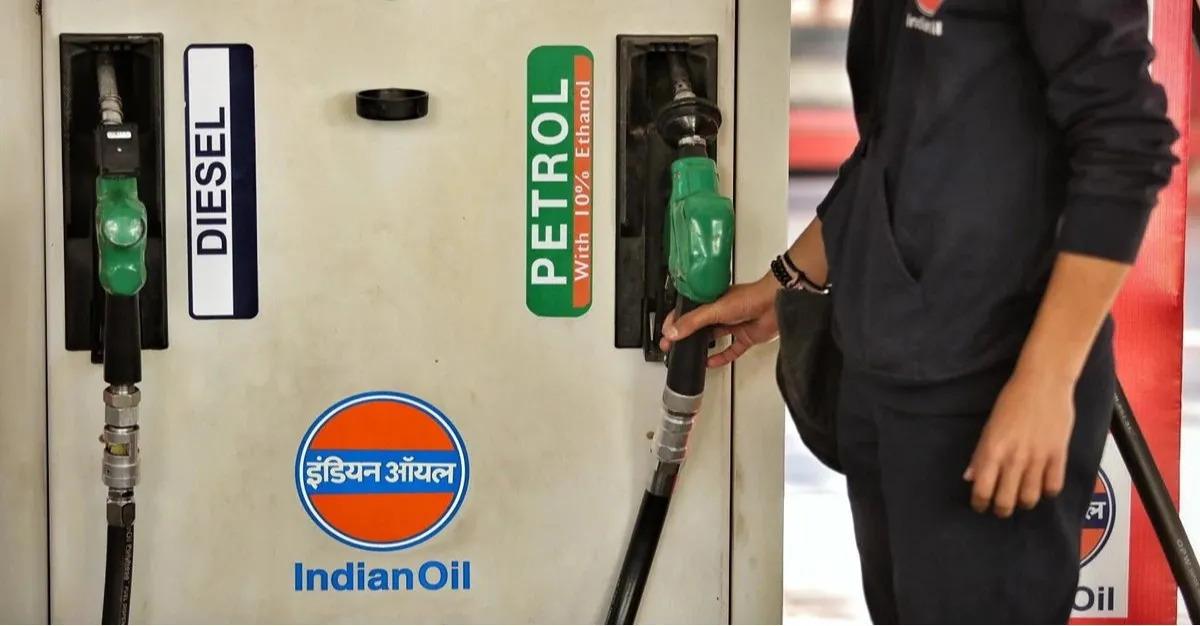
With the latest hike, cumulative increases in petrol and diesel prices have reached nearly Rs 7.5 per litre since May 15, when fuel price revisions resumed after remaining unchanged for a long period.
✨ AI இயங்கும் சுருக்கம்
Fuel prices were increased once again on Monday as state-run Oil Marketing Companies (OMCs) raised petrol prices by Rs 2.61 per litre and diesel prices by Rs 2.71 per litre. The latest revision marks the fourth increase in less than two weeks and has pushed fuel prices sharply higher across major cities.
With the latest hike, cumulative increases in petrol and diesel prices have reached nearly Rs 7.5 per litre since May 15, when fuel price revisions resumed after remaining unchanged for a long period. The repeated increase is expected to raise transportation costs, Logistics expenses and inflationary pressure across the economy.
Petrol and Diesel Prices in Metro Cities
In Delhi, prices of petrol were increased to Rs 102.12 per litre from Rs 99.51, whereas prices of diesel were hiked from Rs 92.49 to Rs 95.20 per litre. Prices of petrol were hiked to Rs 111.21 per litre in Mumbai from Rs 108.49, while prices of diesel were raised to Rs 97.83 per litre from Rs 95.02 per litre.
In Kolkata, prices of petrol increased to Rs 113.51 per litre from Rs 110.64, while diesel prices were increased to Rs 99.82 per litre from Rs 96.95 per litre. Similarly, prices of petrol were raised to Rs 107.77 per litre in Chennai from Rs 105.01, while diesel prices increased from Rs 96.79 to Rs 99.55 per litre.
In case of some other cities, high prices of petrol and diesel were reported in Hyderabad at Rs 115.73 per litre and Rs 103.82 per litre respectively. In case of petrol, price was reported at Rs 113.35 per litre in Jaipur, while in diesel prices were Rs 98.39 per litre.
Why Fuel Prices Are Rising
The current rise in prices has occurred in the face of higher crude oil prices on the international market and the depreciating rupee, which has greatly increased the costs of importing oil. India is dependent on foreign sources for 85 per cent of its oil needs.
The sharp rise in crude oil prices has been triggered by geopolitical tensions in West Asia and disruptions around the Strait of Hormuz, a key global oil transit route. Crude prices surged more than 50 per cent since late February due to the conflict involving the US, Israel and Iran.
OMCs Under Financial Pressure
Executives from state-run oil firms said OMCs had been facing severe financial pressure because retail fuel prices were kept unchanged for over two months despite rising international crude prices.
According to ONGC Director (Exploration) Sushma Rawat, oil companies were taking a hit of nearly Rs 1,000 crore per day due to under-recoveries. She said crude oil prices remain highly volatile as peace talks and conflict-related developments continue to impact global markets.
Former BPCL Marketing Director Sukhmal Kumar Jain stated that crude prices had jumped from around $65–70 per barrel to nearly $110–115 during the conflict period. He added that the weakening rupee further increased the burden on oil companies as import costs surged.
State-run fuel retailers including Indian Oil Corporation, Bharat Petroleum Corporation Limited and Hindustan Petroleum Corporation Limited together account for nearly 90 per cent of India’s fuel retail market.
Global Oil Prices Ease on Peace Deal Hopes
Meanwhile, global crude oil prices declined sharply after reports suggested progress towards a possible US-Iran peace agreement. Brent crude fell 5.1 per cent to $98.22 per barrel, while West Texas Intermediate crude dropped 5.2 per cent to $91.57 per barrel before recovering slightly.
However, uncertainty around negotiations continues to keep global oil markets volatile.
More Fuel Price Hikes Likely
Further increases in fuel prices are anticipated if crude prices stay high. The Emkay Global Financial Services has projected that the cost of petrol and diesel will increase further by Rs 10 per litre due to losses suffered by OMCs.
As a result of an increase in fuel prices, the inflation rate is likely to become higher, along with costs associated with daily travel and transportation.
Disclaimer: This article is for informational purposes only and not investment advice.