Flexi-Cap Funds: Steering Through Divergence with Discipline
 Join Us
 Follow Us
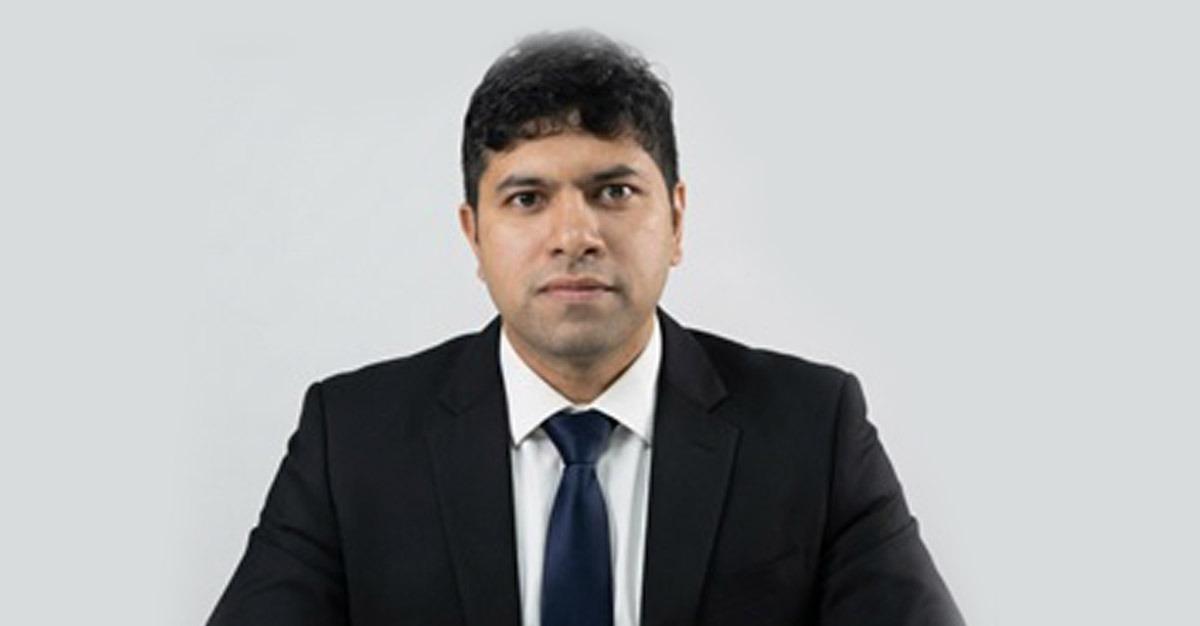
The article was written by Ashutosh Shirwaikar, Head of Investments, Navi AMC
✨ Key Takeaways
So far this year, Flexi Cap funds have underperformed Large-Cap funds, mainly because mid and Small-Cap stocks have struggled. Since Flexi Cap funds invest across large, mid, and small-cap stocks, this gap in performance has affected their short-term returns. In contrast, large-cap funds have benefited from their higher exposure to relatively stable and liquid companies.
In 2025, Flexi Cap funds have, on average, invested about 22.5 per cent of their portfolios in mid- and small-cap stocks. While this exposure helps during phases when the broader market performs well, it has weighed on returns in the current environment. The pressure has been higher because foreign institutional investors (FIIs) have reduced their exposure to Indian equities, which usually impacts mid- and small-cap stocks more sharply than large caps due to lower liquidity and higher volatility.
Despite this near-term underperformance, investor interest in Flexi Cap funds remains strong. Over the last 12 months, the category has seen average monthly gross inflows of around Rs 30,000 crore. In fact, Flexi Cap funds have attracted a higher share of flows within active Equity Funds compared to last year. This indicates that investors continue to remain positive on Indian equities and are willing to look beyond short-term market movements. Many investors prefer Flexi Cap funds because they offer the flexibility to adapt to changing market conditions without requiring investors to actively switch between different equity categories.
Industry data also shows that investors in the 30-45 age group are the biggest contributors to Flexi Cap inflows. This segment accounts for roughly 45-50 per cent of total monthly investments into the category. Monthly inflows from this group typically range between Rs 13,500-15,000 crore, much higher than other age segments. This suggests that investors in their prime earning years increasingly view Flexi Cap funds as a core equity holding for long-term wealth creation rather than a short-term investment.
One of the key advantages of Flexi Cap funds is the freedom they give fund managers. Unlike large-cap, Mid-Cap, or small-cap funds that must stay within a fixed allocation, Flexi Cap funds allow managers to move between market segments based on valuations, earnings outlook, and economic conditions. This flexibility helps reduce the risk of being over-invested in any one segment for a long period and allows portfolios to adjust as market leadership changes.
From an investment perspective, Flexi Cap funds are best suited for investors with a long-term horizon of at least five years. These funds are designed for wealth creation and may experience short-term ups and downs. However, over longer periods, the combination of large-cap stability and selective exposure to faster-growing mid- and small-cap companies can help generate attractive returns.
Looking ahead to 2026, the outlook for the Indian economy remains positive. GDP growth for FY27 is expected to be between 6.2 per cent and 7.5 per cent, supported by strong domestic consumption, government capital spending, and favourable demographics. Inflation is relatively under control, and expectations of lower interest rates, along with measures such as GST rationalisation, are likely to support consumer spending.
While global uncertainties such as trade tensions and currency volatility may cause short-term market fluctuations, Indian equity valuations appear reasonable. The Nifty 50 is currently trading below its 10-year average price-to-earnings multiple of 22, and Indian markets have underperformed several other emerging markets so far this year. In this context, Flexi Cap funds continue to remain a suitable option for investors who want to participate in India’s long-term growth story while relying on professional fund management to navigate short-term volatility.
Disclaimer: The opinions expressed above are of the author and may not reflect the views of DSIJ.