Gold and Silver Prices Fall: Here’s Why
 Join Us
 Follow Us
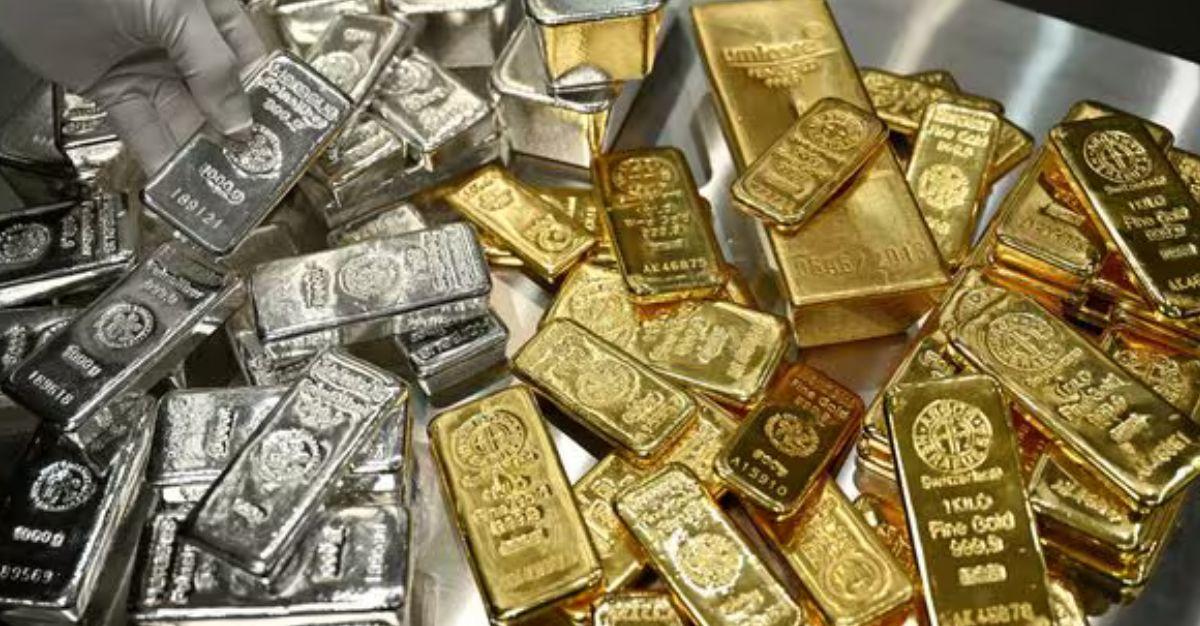
Gold and silver came under fresh pressure on August 31 as hawkish Federal Reserve signals pushed September rate hike expectations higher, while rising oil prices and renewed US-Iran tensions added to inflation concerns.
✨ Key Takeaways
Gold and silver prices fell in early Asian trade on Monday, August 31, as rising bond yields and renewed US-Iran tensions weighed on precious metals.
Silver traded around USD 66.4 an ounce, extending its decline after falling more than 4 per cent in the previous session. Despite the recent weakness, silver remained on track to gain more than 15 per cent in August.
Gold also extended its decline, falling below USD 4,450 an ounce on Monday. The metal recorded its sharpest drop since July in the previous session and remained under pressure from expectations of tighter US monetary policy.
Hawkish Fed Signals Weigh on Precious Metals
The latest pressure on gold and silver followed comments from Federal Reserve Chair Kevin Warsh during his Jackson Hole address on Friday. Warsh said inflation was not easing significantly and reiterated the Federal Reserve's commitment to bringing inflation back to its 2 per cent target. He also indicated that financial conditions were not currently restrictive.
The comments have strengthened expectations of a potential interest rate hike in September. Markets are now pricing in around a 57 per cent probability of a 25-basis-point Fed rate hike in September, according to a Reuters report. Higher interest rate expectations have supported bond yields, increasing the opportunity cost of holding non-yielding assets such as gold and silver.
Rising Oil Prices Add to Inflation Concerns
Precious metals also faced pressure from rising oil prices amid renewed tensions between the US and Iran.
The US military targeted Iranian rocket launchers that were preparing to deploy mines into the Strait of Hormuz. The incident marked the first such US attack in more than a month. The Strait of Hormuz is a critical route for global oil shipments. Any escalation in the region could disrupt energy supplies and push crude prices higher.
Higher oil prices could, in turn, keep inflation concerns elevated and make it more difficult for the Federal Reserve to ease monetary policy.
Disclaimer: The article is for informational purposes only and not investment advice.