India Not Charged in Strait of Hormuz Despite Tensions; Here’s Why
 Join Us
 Follow Us
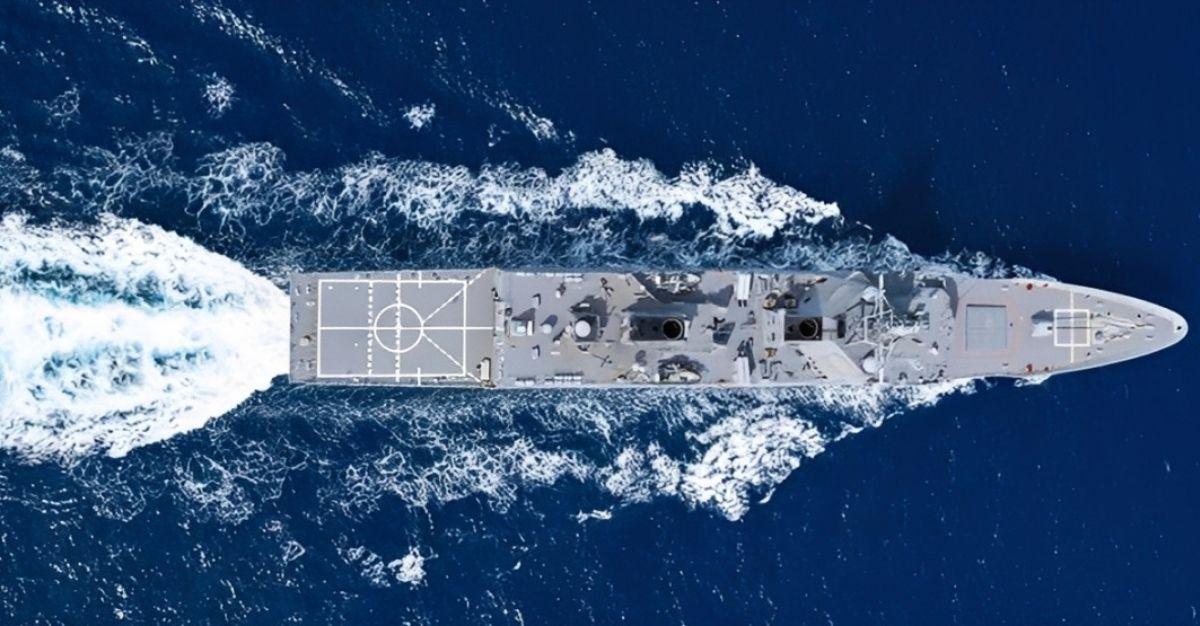
Iran's ambassador to India clarifies that Indian-flagged ships have not been levied any fees for passage through the Strait of Hormuz, calling India a "reliable and compassionate partner" as the global maritime crisis deepens
✨ Key Takeaways
Amid heightened tensions in West Asia and continued disruption in maritime traffic through the strategically crucial Strait of Hormuz, Iran asserted on Monday that Indian-flagged vessels transiting the chokepoint have not been subjected to any tolls, while calling New Delhi a "reliable and compassionate partner" during the ongoing crisis.
Addressing a press conference in the national capital, Iran's Ambassador to India Mohammad Fathali expressed gratitude to both the Indian government and its people for their support during what he described as a "difficult time" for Tehran.
The envoy categorically stated that Indian ships had not been charged any fees for safe passage, saying, "You can ask the Indian government if we have charged anything up to now," directly addressing speculation following statements by US President Donald Trump about blocking vessels allegedly making payments to Iran.
Iran has also said it is ready to assist India and ensure safe passage for its vessels through the strait, as tensions rise ahead of a planned US naval blockade targeting Iranian ports. The envoy said Tehran remains in close contact with New Delhi on the movement of Indian ships and wants to facilitate their passage.
At least 15 Indian-flagged ships remain in the Strait of Hormuz, with efforts underway to bring them back. "In coordination with MEA, we are trying our best to bring our vessels back as soon as possible," said Mukesh Mangal, Additional Secretary at the Ministry of Ports, Shipping and Waterways.
Fathali also highlighted sustained high-level contacts between New Delhi and Tehran, including multiple conversations between Prime Minister Narendra Modi and Iranian President Masoud Pezeshkian, as well as frequent interactions between the two countries' foreign ministers.
The broader crisis traces back to late February. Shipping traffic through the Strait of Hormuz has been largely blocked by Iran since February 28, 2026, when the United States and Israel launched an air war against Iran. In retaliation, Iran's Islamic Revolutionary Guard Corps issued warnings forbidding passage through the strait, launched confirmed attacks on merchant ships, and reportedly laid sea mines in the strait.
Iran's Foreign Minister had earlier announced that ships from five nations - China, Russia, India, Iraq, and Pakistan would be permitted to transit the Strait of Hormuz. India's exemption from tolls appears to be an extension of this diplomatic goodwill.
On April 12, JD Vance announced that talks between the US and Iran had failed, after which Trump declared a US naval blockade of the Strait of Hormuz, with the US Navy set to prevent ships from entering or exiting the strait and intercept ships that have paid tolls to Iran.
Share your views in the comments below.
Disclaimer: The article is for informational purposes only and not investment advice.