Union Budget 2026 ECMS outlay raised to Rs 40,000 crore: Dixon, Kaynes, Amber and other stocks in focus
 Join Us
 Follow Us
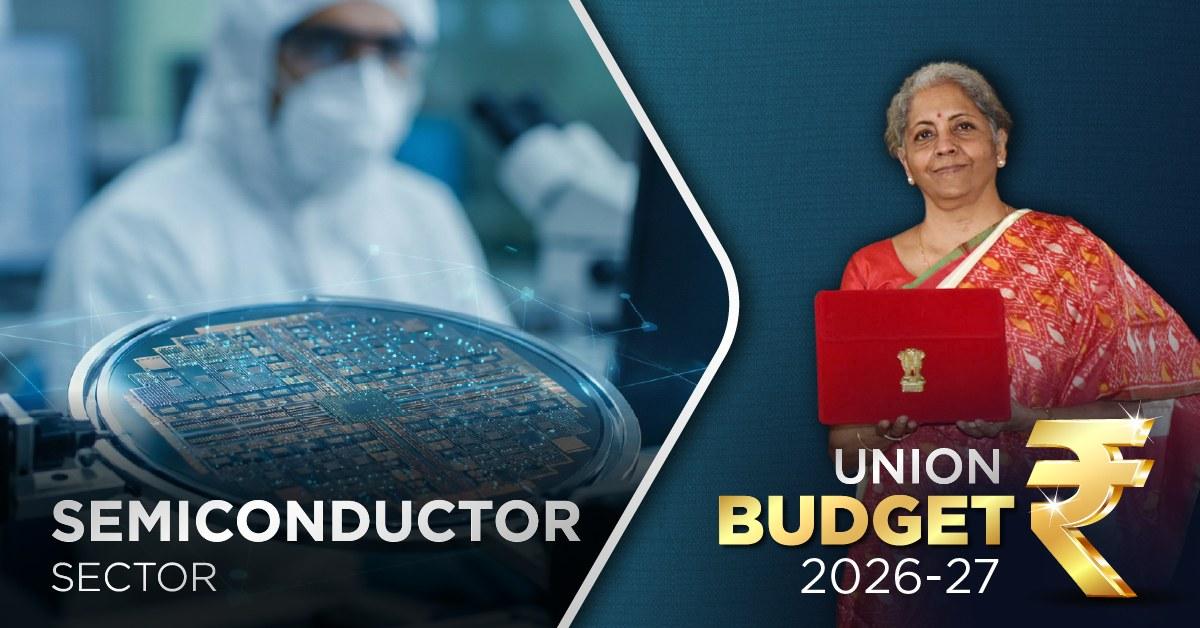
From chips to components, Budget 2026 sharpens India’s electronics play—strengthening supply chains, incentives, and domestic value addition.
✨ Key Takeaways
The technology sector in India is a broad ecosystem that combines IT services and consulting, software products and SaaS, startups, global capability centers (GCCs), and the physical digital backbone—cloud, data centers, and electronics manufacturing. It plays a dual role: it is a large export engine (serving global enterprises with software build, maintenance, and transformation work) and a domestic enabler that powers everything from digital payments and e-commerce to telecom, healthcare, and government platforms. The sector’s growth is increasingly shaped by cloud adoption, cybersecurity needs, and AI-led automation, while near-term performance can still swing with global tech spending cycles, hiring intensity, and how quickly firms convert new-age demand (AI, data, platforms) into scalable revenues and profitable delivery.
In Union Budget 2026, Finance Minister Nirmala Sitharaman, in her 9th consecutive budget, puts India’s electronics agenda on a more serious footing by backing the entire stack—from chips to the components that decide how much value addition stays within the country. The headline announcement is India Semiconductor Mission (ISM) 2.0, which shifts the spotlight beyond “just building fabs” to strengthening the ecosystem that makes semiconductor manufacturing sustainable at scale. As outlined in reports, ISM 2.0 will prioritize semiconductor equipment and materials, push full-stack Indian IP/design, and fortify supply chains, while building industrial research and training centers to develop technology and specialized talent.
The second, equally important lever is the government’s sharper focus on components—because electronics competitiveness is won in the supply chain, not only at the final assembly line. The Budget proposes raising the Electronics Components Manufacturing Scheme (ECMS) outlay to Rs 40,000 crore, up from Rs 22,919 crore when it was launched in 2025. The idea is straightforward: create a robust domestic component base by offering targeted incentives across 11 key segments—with coverage including printed circuit boards (PCBs), capacitors, resistors, display modules, and other critical components that sit inside everything from smartphones to servers. That’s why the “Rs 40,000 crore” matters: it is not just an allocation headline—it’s a signal that India wants deeper domestic value addition and stronger integration into global electronics value chains.