Why Are Metals Stocks Falling?
 Join Us
 Follow Us
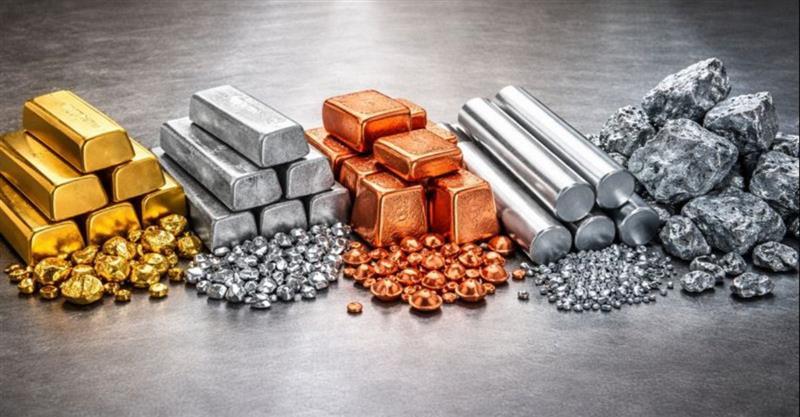
If you’ve looked at the markets lately, you’ve likely seen a sea of red. Gold, silver, and industrial metals like copper are all sliding from historic peaks.
✨ Key Takeaways
After a long period of rising prices, this shift can feel sudden, but it is actually driven by a clear set of economic "dominoes."
Here is a breakdown of why the metal markets are cooling off right now.
1. The "Profit-Booking" Effect
Gold and silver recently enjoyed a massive rally, with gold peaking above USD 5,600 and silver hitting USD 121. When prices go up that fast, the market becomes "crowded." Investors who bought early eventually decide to "lock in" their gains by selling. As of early February 2026, Gold has corrected to approximately USD 4,763/oz, while Silver has pulled back to USD 85.16/oz. Once a few big players start selling, latecomers panic and follow suit, turning a normal dip into a faster slide.
2. A Stronger Dollar and Rising Yields
The biggest "invisible" force hitting metals is the U.S. Dollar. Most metals are priced in dollars globally. Following the nomination of a more hawkish Federal Reserve Chair, the U.S. Dollar has strengthened. When the dollar gets stronger, it becomes more expensive for people using other currencies to buy metals, which naturally lowers demand. Additionally, real yields (interest rates after inflation) are firming up. Unlike a savings account, gold doesn't pay interest, making it less attractive when bond yields rise.
3. The Leverage Trap
Many traders buy silver and gold using "leverage"—essentially borrowed money. When prices start to drop, brokers demand more collateral (a margin of call). On January 30, the CME increased margin requirements for copper to 20 per cent, sparking fears of similar hikes for precious metals. If a trader doesn’t have cash, the broker sells their position automatically. This "forced selling" creates a waterfall effect, pushing prices down even further.
4. Base Metals and Economic Growth
While gold is a "safe haven," metals like copper, aluminum, and zinc are "growth metals" tied to Construction and technology.
Copper: Currently trading near USD 13,070/ton; it is often called "Dr. Copper" because it gauges the health of the global economy.
Aluminum & Zinc: With Aluminum at USD 3,135/ton and Zinc at USD 3,393/ton, these metals are reacting to fears of a manufacturing slowdown. When the market turns cautious on global growth, traders mark down demand expectations quickly.