Why Cochin Shipyard Shares Fell Over 7%: Profit Halves, Delivery of Two 1,200-Passenger Vessels on Hold
 Join Us
 Follow Us

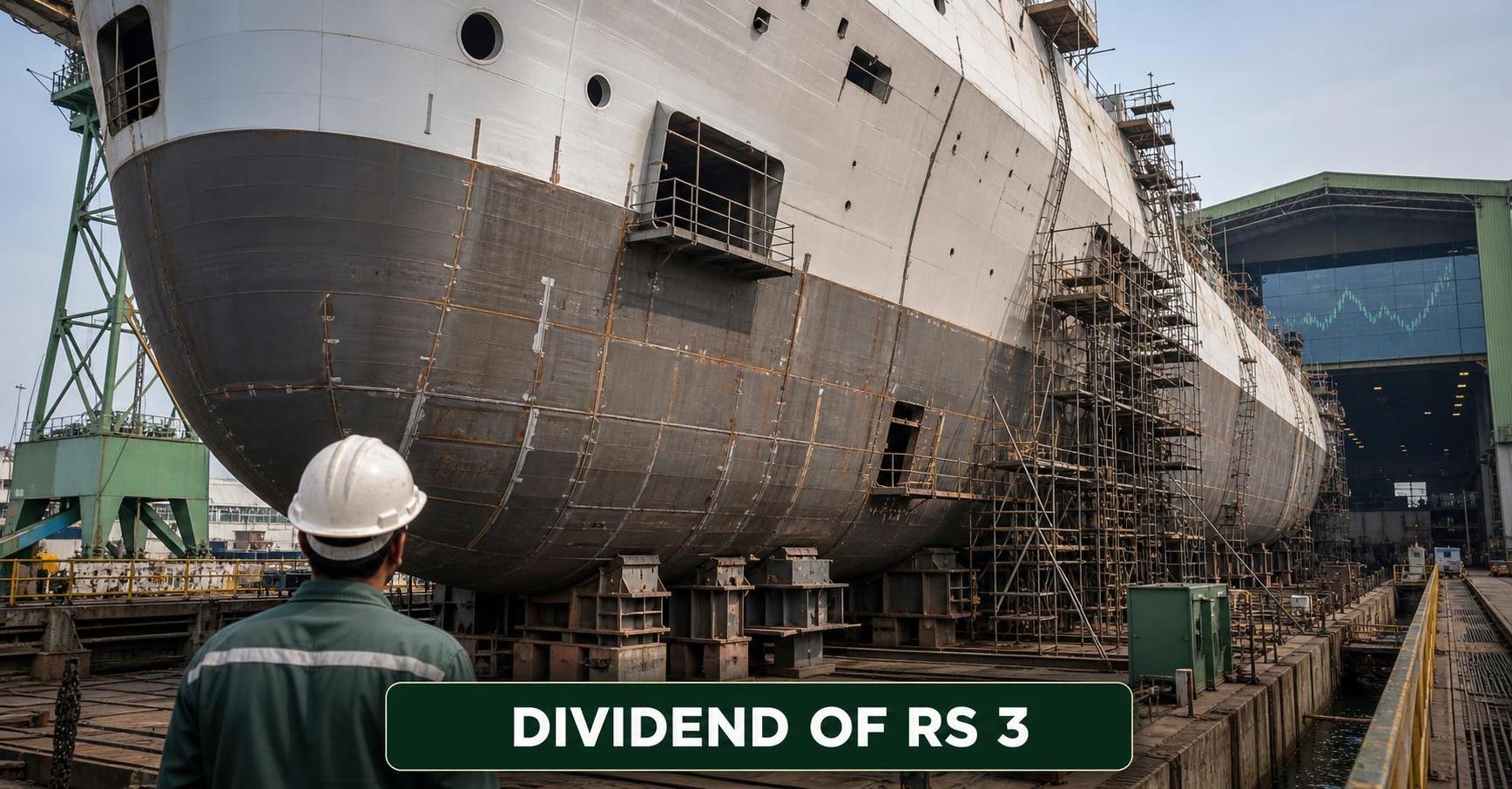
Adding to concerns over weaker profits, delivery of two 1,200-passenger vessels for the Andaman and Nicobar Administration remains on hold at the customer's request, while alternative deployment is being considered. The vessels were around 55% complete as of September-end, with cumulative liquidated damages of Rs 215.70 crore across both contracts, adding to concerns over project execution and potential financial exposure.
✨ Key Takeaways
Cochin Shipyard Ltd is expanding its repair infrastructure and pursuing a large shipbuilding Order Book, but its earnings are moving into a lower-margin phase as tender-based Defence and commercial projects replace exceptionally profitable legacy programmes. The state-owned shipbuilder reported consolidated net profit of Rs 53.77 crore for the quarter ended September 30, 2026, down 50 per cent YoY and 64 per cent QoQ.
Revenue from operations increased 12 per cent YoY to Rs 1,249.19 crore and was also higher than Rs 1,094.21 crore in the June quarter. However, total expenses rose faster, reaching Rs 1,256.72 crore. Material consumption climbed to Rs 682.78 crore from Rs 554.76 crore a year earlier, while subcontract and other direct expenses increased to Rs 275.80 crore.
Consolidated operating margin narrowed to 8 per cent from 15 per cent a year earlier and 21 per cent in the preceding quarter. Net profit margin fell to 4 per cent from 10 per cent YoY. Finance costs rose to Rs 26.52 crore, while profit before share of profit or loss of joint venture and exceptional items declined to Rs 75.10 crore from Rs 149.91 crore.
Ship repair was the principal earnings support. Segment revenue rose to Rs 466.05 crore and profit before interest and Tax, or PBIT, increased to Rs 143.34 crore from Rs 67.20 crore a year earlier. Shipbuilding revenue also rose to Rs 783.14 crore, but the segment reported a PBIT loss of Rs 6.08 crore against a profit of Rs 149.71 crore in the September 2025 quarter.
For the first half of FY27, revenue from operations rose to Rs 2,343.41 crore, while net profit declined to Rs 205.22 crore from Rs 295.36 crore. The board declared an interim Dividend of Rs 3 per fully paid-up share, with November 16, 2026, as the record date and payment due on or before December 9, 2026.
The results also retain an execution overhang from two 1,200-passenger vessels for the Andaman and Nicobar Administration. Delivery activity has been halted at the customer’s request while potential reallocation is considered. The vessels were about 55 per cent complete at September-end, with cumulative liquidated damages of Rs 215.70 crore across the two contracts.
As of 9:32 am on November 11, 2026, Cochin Shipyard shares were trading at Rs 1,191.40, down 7.57 per cent from the previous close. The stock was about 34 per cent below its 52-week high of Rs 1,815.20, while remaining above its 52-week low of Rs 1,119.00. Over one year, the shares have declined 28.83 per cent, compared with a marginal 0.08 per cent fall in the BSE 500 over the same period.
What This Means for Investors
The quarter reinforces that revenue growth alone is not translating into earnings growth. Ship repair remains a relatively stronger profit contributor, with segment PBIT more than doubling YoY, and this supports the rationale for expanding repair capacity. Yet the shipbuilding loss, rising material consumption and higher subcontracting costs show the sensitivity of consolidated profitability to project mix and execution. The negative operating cash flow of Rs 635.37 crore in the first half also keeps working-capital conversion in focus.
The development is mixed for the investment case. The company retains a Rs 22,125 crore unexecuted order book and has strategic repair and green-maritime opportunities, but margins have reset sharply from recent levels. The unresolved Andaman vessel position adds contract-specific uncertainty. At 54.14 times trailing twelve-month earnings, the valuation places importance on a stabilisation in margins, timely vessel deliveries and improved cash conversion as newer capacity and the order book are monetised.
Disclaimer: The article is for informational purposes only and not investment advice.