India's Retail Inflation Rises to 6.09% in October 2026; Food Inflation Surges to 8.94%
 आमच्यासोबत जोडा
 आम्हाला फॉलो करा

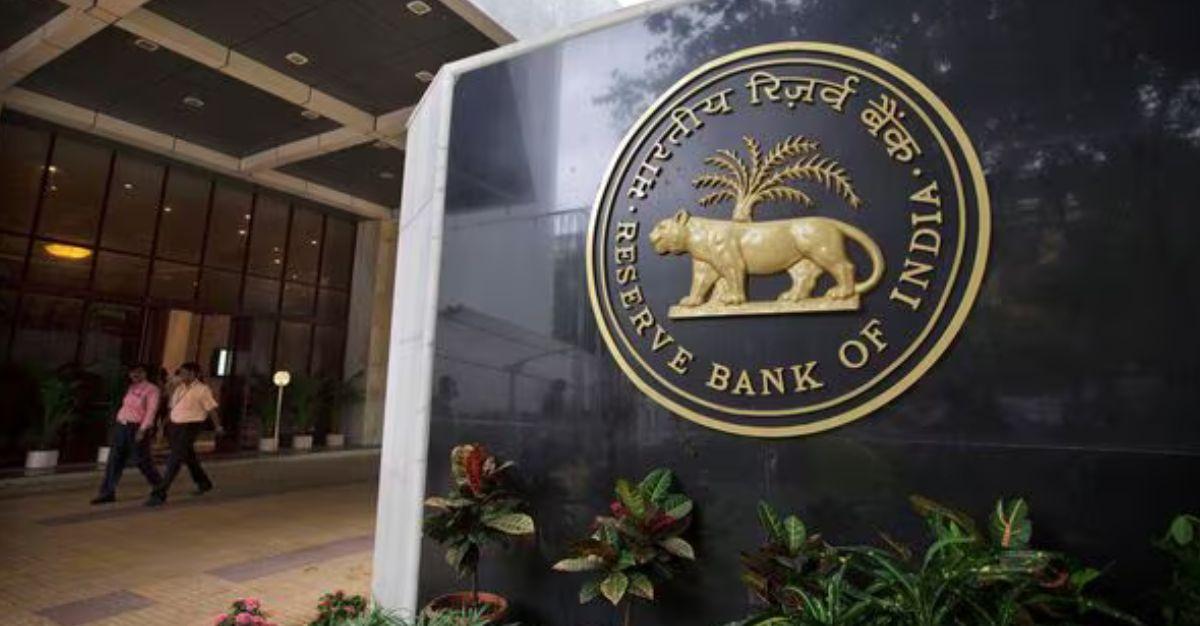
India's retail inflation rose to 6.09 per cent in October 2026, breaching RBI's upper tolerance limit, driven by surging food prices.
✨ महत्त्वाचे मुद्दे
India's retail inflation accelerated to 6.09 per cent in October 2026, breaching the Reserve Bank of India's (RBI) upper tolerance limit of 6 per cent for the first time under the revised Consumer Price Index (CPI) series. Inflation increased from 5.54 per cent in September, exceeding economists' expectations of 5.93 per cent. The latest reading also marked the fifth consecutive month that inflation remained above the RBI's medium-term target of 4 per cent. Under the previous CPI series, inflation had last crossed the 6 per cent threshold two years ago.
The latest provisional data released by the National Statistical Office (NSO) is based on the revised CPI series with a base year of 2024=100, while September's inflation figures are final.
Rising food prices were the primary driver of the increase in retail inflation. Consumer Food Price Index inflation surged to 8.94 per cent in October from 7.74 per cent in September, an increase of 1.20 percentage points. Food accounts for nearly 40 per cent of India's CPI basket, making it a significant contributor to overall inflation. Onion prices increased 116.22 per cent year on year, while garlic prices surged 60.74 per cent. However, price movements varied across food items, with potato prices declining 14.24 per cent and cauliflower prices falling 10.57 per cent. The broader food and beverages category recorded inflation of 8.51 per cent during the month.
Rural inflation remained higher than urban inflation in October. Rural headline inflation increased to 6.63 per cent from 6.08 per cent in September, while urban inflation rose to 5.41 per cent from 4.88 per cent. Among states with populations exceeding 50 lakh, Tamil Nadu recorded the highest inflation at 7.29 per cent, followed by Telangana at 7.26 per cent and Andhra Pradesh at 7.25 per cent.
Inflationary pressures also widened beyond food and beverages. Transport inflation accelerated to 5.84 per cent in October from 5.01 per cent in September, while inflation in restaurants and accommodation services reached 10.06 per cent. The personal-care and miscellaneous category recorded inflation of 10.14 per cent, with other personal effects witnessing a sharper increase of 25.44 per cent. Core inflation, which excludes volatile food and fuel components, also increased to 4.5 per cent from 4.3 per cent in September. Furthermore, 19 out of 43 CPI sub-groups recorded inflation of 4 per cent or higher in October, compared with 14 sub-groups in September, indicating a broader spread of price pressures across the economy.
The higher-than-expected inflation reading has strengthened expectations of another interest rate hike by the RBI in December. The central bank had already increased its benchmark repo rate by 25 basis points in October, taking the policy rate to 5.50 per cent. This was its first rate increase in nearly four years. Several economists expect another 25-basis-point hike in December as inflationary pressures remain elevated. Some projections suggest that inflation could remain above 6 per cent until June 2027, potentially pushing policy rates above the estimated neutral rate of 6 per cent.
The RBI expects inflation to average 6 per cent during the October-December quarter and has forecast inflation at 5.2 per cent for the current financial year. However, policymakers have indicated that further rate increases may be required while remaining cautious about the potential impact of tighter monetary policy on economic growth.
Despite the higher inflation reading, the bond market showed a muted reaction, with the 10-year government bond yield holding steady at 7.25 per cent. Traders continued to factor in approximately 100 basis points of potential rate hikes. Meanwhile, the Indian rupee has recovered during November after approaching record lows in October, supported by lower crude oil prices and a rebound in foreign portfolio inflows. Brent crude prices have declined to around USD 92 per barrel, offering some relief to India, the world's third-largest oil importer.
Looking ahead, higher food prices, widening inflationary pressures and rising core inflation have increased the challenges for monetary policymakers. Weak monsoon conditions and a strong El Niño also pose risks to agricultural output and rural demand. However, sufficient foodgrain stocks and government measures could provide some cushion against further food price increases.
The next CPI inflation release, scheduled for December 14, 2026, will be important in determining whether October's inflation spike is temporary or signals a more persistent increase in price pressures.
Disclaimer: The article is for informational purposes only and not investment advice.