In conversation with Mr. Mahesh P Babani, CMD, Privi Speciality Chemicals Ltd
 Join Us
 Follow Us
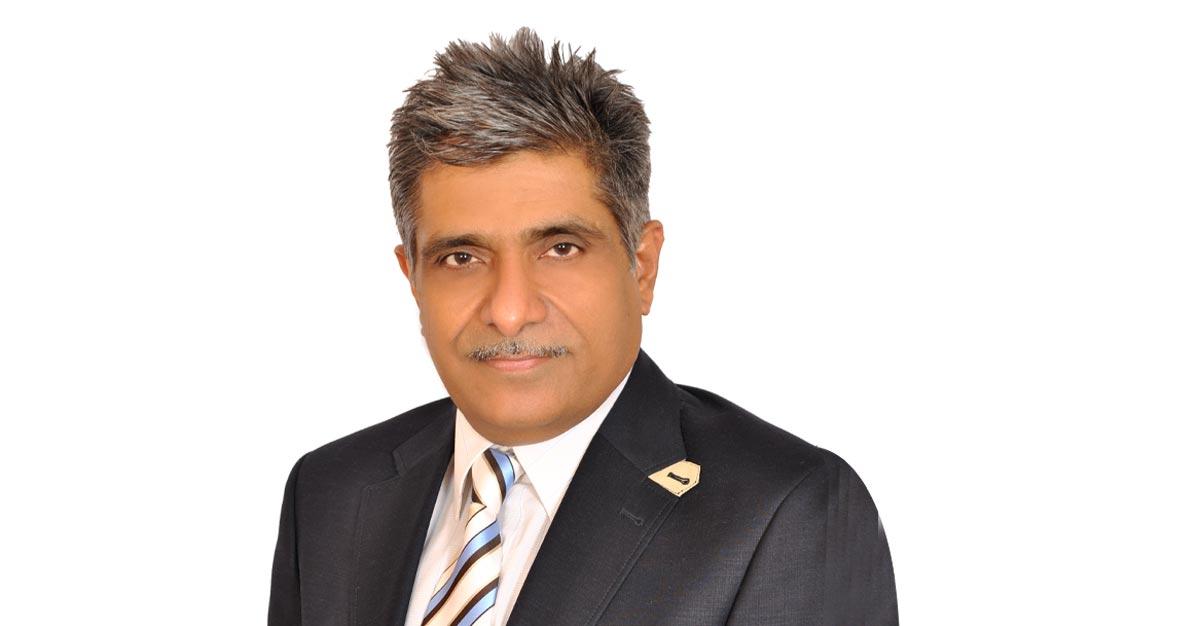
How Privi is scaling volume growth, strengthening global partnerships, and building leadership in sustainable aroma chemicals.
✨ Key Takeaways
1. FY26 revenue growth of 22 per cent was largely driven by pricing and product mix, while volume growth remained at 6.5 per cent. As Phase 1 capacity expansion to 54,000 MTPA stabilises, how does the company plan to make future growth more volume-driven?
We have a capital expenditure plan of approximately Rs 1,200 crore, which will increase our installed capacity to about 74,000 tonnes, including capacity of 6,000 MTPA upon merger with Privi Fine Sciences Ltd. This represents an increase of more than 50 per cent over the FY26 capacity of 48,000 tonnes. The additional capacity is expected to become available for utilisation in phases over the next three years. The CAPEX will support structural, volume-led market penetration across core and next-generation specialty molecules. Together, this capacity expansion and the merger are expected to support our journey towards achieving revenue of around Rs 5,000 crore.
2. EBITDA margins remained strong at 25.8 per cent in FY26, supported by the ‘ProMax’ programme and process efficiencies. What structural cost advantages will help sustain these margins amid raw material inflation and longer payment cycles?
The core drivers for strong operating margins are process efficiency improvements, which emphasise converting batch processes into continuous production to optimise yields, lower conversion costs, and waste-to-wealth initiatives, where we convert by-products into co-products, which gives better realisation. Both initiatives will continue delivering savings in the coming years, with additional measures further strengthening cost efficiencies. These programmes will help us sustain margins amid various volatilities.
3. The PRIGIV joint venture turned profitable in Q4 FY26 and received a Rs 180 crore trade advance from Givaudan along with a Rs 50 crore equity infusion. How does this strengthen the JV’s role in the company’s broader 5k:1k growth vision?
The joint venture with Givaudan attests to Privi’s technical prowess and has enabled a significantly improved relationship with Givaudan. Based on the progress made by the joint venture, both partners decided to further harness the potential of the JV. With the additional equity infusion for CAPEX in PRIGIV, the JV on a standalone basis will generate total revenue of about Rs 300 crore in the coming years. This rapid scaling feeds directly into our 5k:1k vision, entrenching Privi deeper into the captive supply chains of global fragrance leaders.
4. The development of renewable Cyclopentanone using proprietary technology gives Privi an early-mover advantage in bio-based ingredients. As global customers look for reliable and compliant suppliers, how is the company defending this edge against larger multinational players?
Cyclopentanone will be produced through a novel green process using furfural derived from bio-waste, unlike the conventional petroleum-based route currently used worldwide. It has applications in the flavour and fragrance industry as well as in electronic chip manufacturing. As demand shifts towards renewable and sustainable products, we believe our bio-based Cyclopentanone will enjoy a strong competitive advantage over petro-based alternatives. Furthermore, in the medium term, as Cyclopentanone will be made from in-house furfural made from cob, a bio-waste, this business will be fully integrated, providing a substantial cost advantage.
5. The current Rs 1,200 crore capex plan targets Rs 5,000 crore in revenue by FY29-30, with FY28 expected to be a transition year. How does the company plan to balance growth investments while keeping leverage within comfortable levels?
A significant portion of the Rs 1,200 crore CAPEX will be funded through internal accruals, with an additional Rs 200-300 crore of borrowing, if required. We are spacing out our capital deployment across carefully sequenced phases. We expect to keep the debt-to-EBITDA ratio below 2x throughout the period, thereby maintaining a comfortable leverage position.
6. The company’s entry into Maltol and Ethyl Maltol is aimed at reducing import dependence through backward integration into Furfural. How do you see these specialty molecules contributing to long-term revenue visibility as global supply chains evolve?
There are currently no domestic manufacturers of maltols in India, with most supply being imported from China. Our planned capacity of about 5,000 TPA is expected to meet domestic demand, while also supporting exports to our flavour and fragrance customers. By executing a backward integration strategy into Furfural, we insulate our operations from supply shocks and pricing disruptions, contributing to long-term revenue visibility.
7. Beyond the Rs 5,000 crore revenue target, management has spoken about a larger long-term opportunity through proprietary biomass technologies. What are the key strategic priorities for scaling this next phase of growth while maintaining operational discipline?
Our next horizon of growth is built around scaling our proprietary biomass and green biotechnology platforms. These platforms include biomass-based biorefinery, vegetable oil cracking, formylation, among others, to develop flavour and fragrance molecules. Our biotech-driven subsidiary, Privi Biotech, is leading these future-focused initiatives.