Systematic Transfer Plan: The End of Entry Point Anxiety
 Join Us
 Follow Us
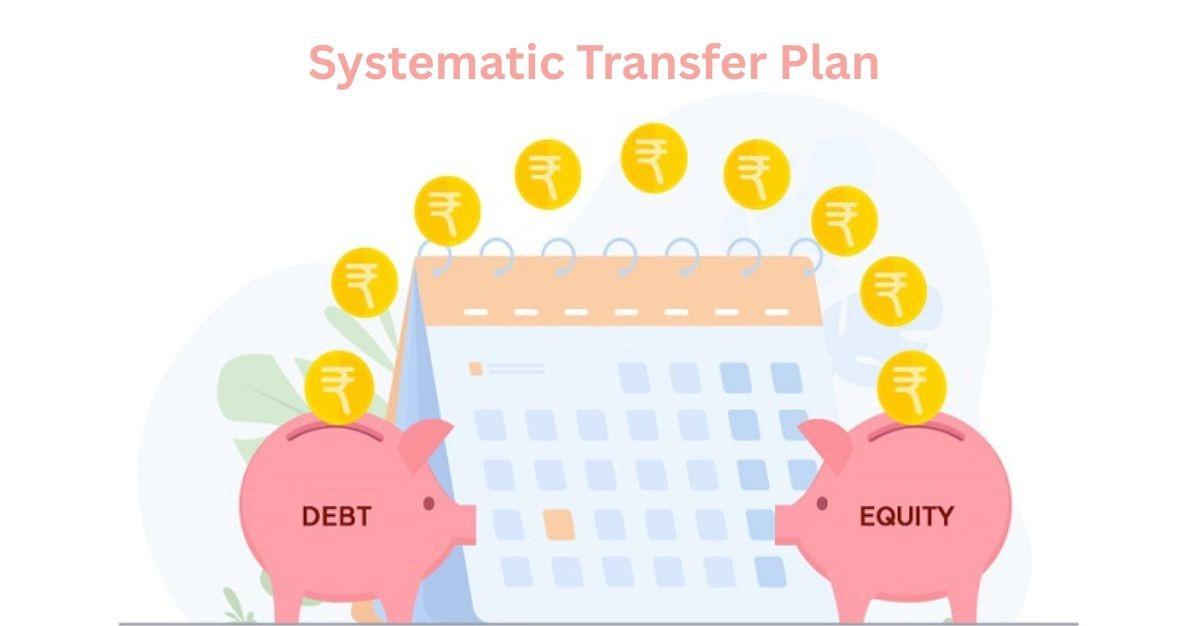
Investors often struggle with deploying lump sum money as markets rarely feel comfortable, either appearing too expensive or too risky. With SEBI planning easier STP execution for mutual funds in demat form, a structured way to enter equities without timing the market is gaining relevance.
✨ Key Takeaways
Regulatory push brings STP into focus
Recent developments have again brought Systematic Transfer Plans (STPs) into focus. SEBI is reportedly working on simplifying the process of executing STPs for Mutual Fund units held in demat form. At present, investors who hold mutual funds through demat accounts often face operational hurdles while setting up automated transfers between schemes. A smoother framework will make it easier to shift money systematically rather than relying on lump sum timing decisions. For investors, this is important because STP is not merely a facility. It is a risk management tool.
What exactly is an STP
A Systematic Transfer Plan allows an investor to periodically transfer a fixed amount of money from one mutual fund scheme to another within the same fund house. Typically, the transfer happens from a Debt Fund or liquid fund into an Equity Fund. Instead of investing a large sum in equities at one go, the investor parks money in a low-risk fund and gradually moves it into equities at predefined intervals such as weekly or monthly.
Why it works in volatile markets
STP proves particularly useful in volatile markets. Rather than delaying investment in search of the perfect entry point, investors begin participation in a phased and disciplined manner, limiting impulsive decisions driven by fear or greed. By transferring a fixed amount at regular intervals, the investor automatically buys fewer units when prices are high and more units when prices decline. Over time, this averaging effect lowers the overall purchase cost, extending the SIP style benefit to lump sum investments while reducing market timing risk.
Who should use it
STP is especially useful after receiving a large inflow such as a bonus, property sale proceeds, inheritance, or maturity amount from fixed income instruments. Many investors hesitate to invest such funds directly into equity markets due to valuation concerns. By using STP, they can participate in equities gradually while earning modest returns from the interim parking fund.
Different types of STP
There are three main types of STP, each suited to a different investor need. A fixed STP shifts a predetermined amount at regular intervals, helping investors gradually build equity exposure. A capital appreciation STP transfers only the profit earned in the source fund, allowing the original capital to remain largely intact. A flexible STP permits changes in the transfer amount based on market levels or investor instructions, enabling higher transfers during market declines and smaller ones during expensive valuations.
Taxation and cost factors
However, investors should understand taxation and costs. Each transfer is treated as a redemption from the source scheme and a fresh purchase in the target scheme. Therefore, capital gains tax may apply on the units redeemed from the debt or liquid fund. Exit loads also matter. Choosing a source fund with minimal exit load and stable NAV movement is important for efficient execution.
STP vs. SIP vs. SWP
STP is often confused with SIP and SWP. A SIP invests money periodically from a Bank account into a mutual fund. An SWP withdraws money periodically from a fund to the investor’s bank account. An STP transfers money between two schemes within the fund house. Essentially, SIP is for investing income, SWP is for generating income, and STP is for deploying lump sum money prudently.
What SEBI’s move could change
If SEBI’s proposed easing of STP execution in demat mode becomes operational, it could significantly improve adoption among direct equity investors and platform users. In a market where volatility has become the norm, STP offers something investors consistently struggle with: discipline without stress.