In conversation with Sanjay Sharma, Managing Director and CEO, Orkla India Ltd
 Join Us
 Follow Us
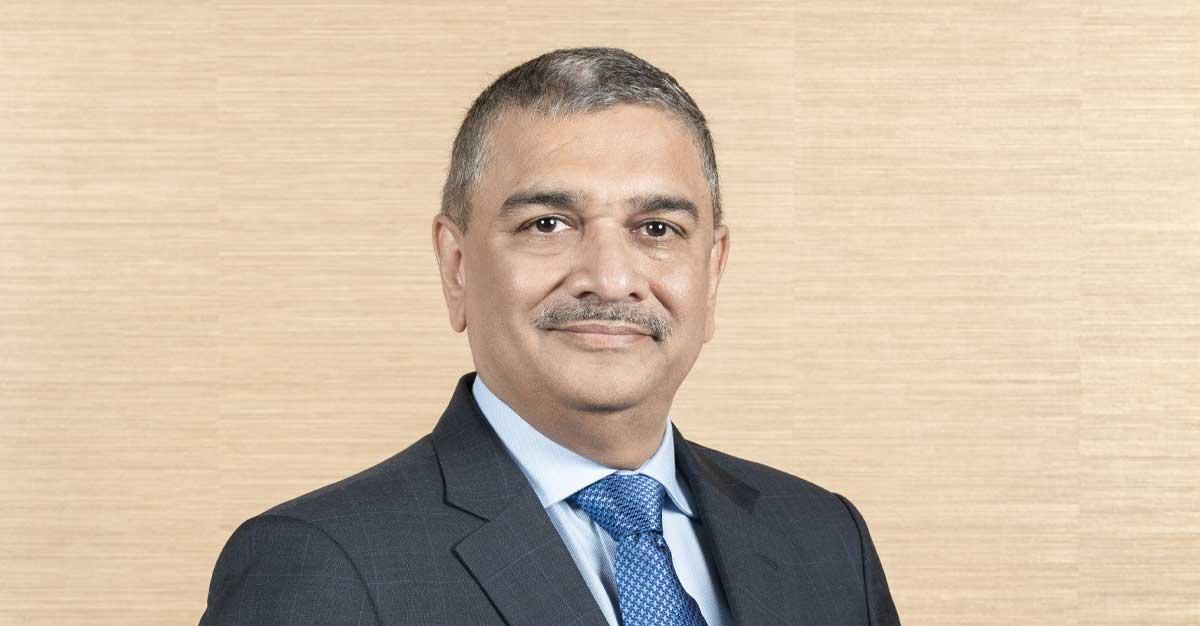
From pricing power to acquisitions, discover the strategic decisions management believes will shape Orkla India's future.
✨ Key Takeaways
Q1. FY26: highest volume growth in four years at 5.9 per cent, EBITDA margins at 16.9 per cent despite no PLI. As commodity prices turn inflationary, how do you balance growth, pricing, and profitability?
FY26 was a strong validation of our strategy and the resilience of our business model. Despite operating in one of the most challenging commodity environments in nearly two decades and without any PLI support, we delivered our highest volume growth in four years at 5.9 per cent, expanded EBITDA margins to 16.9 per cent, and recorded healthy growth in both EBITDA and PAT. Our underlying operating performance was even stronger, reflecting the strength of our brands, execution, and disciplined cost management.
As we move into FY27, the return of commodity inflation is a favourable development. In pure spices, we have the ability to pass on higher raw material costs in line with mandi prices, while benefiting from the larger consumer base we built during the deflationary cycle. In blended masalas, our strong brands and differentiated offerings provide us with healthy pricing power, enabling us to protect margins without compromising demand.
Our focus remains unchanged, driving volume-led growth while steadily improving profitability. We will continue to strengthen household penetration, increase the contribution of our higher-margin convenience foods portfolio, and enhance operational efficiencies. This balanced approach gives us confidence in delivering sustainable growth and long-term value creation for our stakeholders.
Q2. You are redesigning Eastern's distribution model, splitting spices and foods, digitising trade, building modern trade. What are the biggest execution risks and how will you measure success?
Our approach to Eastern's distribution transformation has been deliberate and thoughtful. Over the past four years, we focused on understanding and strengthening the existing model rather than changing it. Kerala is Eastern's core market and also contributes a substantial portion of Orkla India's business. Given the importance of this market, our objective has been to restructure the distribution model without disrupting day-to-day operations.
The current redesign is aimed at building a future-ready distribution ecosystem by creating dedicated channels for spices and convenience foods, digitising trade execution, and strengthening our presence across modern trade and OFOs. While any transition of this scale carries short-term execution risks, we have planned it carefully and are closely monitoring outlet coverage, sales continuity, and field adoption to ensure a smooth rollout.
We will measure success through a rapid recovery in distribution reach, sustained growth in our core spices business, and a steady increase in the contribution of convenience foods within Eastern's portfolio. More importantly, this transformation creates the dedicated execution capabilities needed to scale our convenience foods portfolio, strengthen our product mix, and drive more sustainable, profitable growth. We believe these initiatives will create a more agile, efficient, and scalable distribution platform, positioning Eastern for stronger long-term growth.
Q3. MTR Prakriti takes premium, single-origin spices national through digital-first channels. How do you scale this without diluting the core regional positioning?
Prakriti was purposefully launched as a separate brand to address the premium spices opportunity without diluting MTR's strong value proposition in the mass market. We designed Prakriti to appeal to an emerging consumer segment, tech-savvy, quality-conscious, and willing to pay a premium for authenticity and superior quality. These consumers are rewriting market expectations and represent a meaningful growth opportunity for our premium portfolio.
While MTR's core spice portfolio is priced in the Rs 65–75 range for key packs, Prakriti caters to consumers seeking authentic, single-origin spices such as Byadgi chilli, Guntur chilli, Araku turmeric, and Kumbhraj coriander. Prakriti offers best-in-class quality, sourced and crafted with meticulous care, making it the finest quality spices available in the market for this consumer segment. Products command a significantly higher premium based on provenance, quality, and craftsmanship.
Our growth strategy is focused on preserving this premium positioning. Prakriti is a digital-first brand, available exclusively through our D2C platform and quick commerce channels, enabling us to build a direct relationship with premium consumers while maintaining brand exclusivity.
We are initially targeting high-potential metro markets such as Bengaluru, Mumbai, Delhi, and Hyderabad, where demand for premium food products is the strongest. We are not seeking to make Prakriti a mass-market brand. Success will be measured by building a differentiated, high-margin premium business that complements MTR's core portfolio while strengthening our overall brand architecture. We believe this disciplined approach will strengthen our overall portfolio, enhance brand equity, and create a scalable premium growth engine for the future.
Q4. International business resilient despite freight, port disruptions, and West Asia conflict. How is this reshaping your long-term export strategy?
Our international business, which contributes around 21 per cent of total revenues across 45 countries, remained resilient despite freight inflation, port disruptions, and geopolitical challenges in West Asia. The strong performance of our GCC business reflects the strength of our brands and distribution network. Today, Eastern is the No. 1 Indian spice brand in the UAE by household reach, with growing acceptance not only among the Indian diaspora but also local consumers.
These developments are reinforcing our long-term export strategy. Our resilience during this period reflects our ability to respond quickly to a rapidly evolving operating environment. We took calibrated pricing actions where necessary, complemented by operational efficiencies and disciplined promotional investments, enabling us to effectively manage cost pressures while remaining competitive.
The disruption also reinforced the strength of trusted brands. As smaller players faced operational challenges, established brands like Eastern were well positioned to welcome new consumers and strengthen household trust through consistent quality and availability.
Looking ahead, our strategy is evolving beyond building a leading spices business to creating a broader foods portfolio in international markets. We will continue to deepen our presence in the GCC with an expanded convenience foods portfolio while accelerating growth in the US and Canada.
Combined with the natural benefit of sourcing in Indian rupees and exporting in foreign currencies, we believe our international business is well positioned to be an increasingly important driver of sustainable growth and profitability.
Q5. You have chosen depth over a broad national play. As consumption patterns evolve, how do you decide where to deepen existing leadership versus entering new geographies?
Our expansion philosophy is driven by consumer relevance rather than geography. We enter markets where our brands can deliver authentic regional food experiences, not generic offerings. South India continues to offer a significant runway for growth, and we see substantial headroom to deepen our leadership. For example, in Karnataka, per capita consumption of MTR spices has increased from Rs 16 in 2007 to Rs 110 in 2025, while our household penetration in pure spices has grown from 20.3 per cent to 30.6 per cent in Karnataka and from 4.3 per cent to 13 per cent in Andhra Pradesh over the past three years. We are also expanding our rural reach, with 765 rural distributors now serving our core markets and extending our presence to 5,000 additional villages.
At the same time, we recognise that India's consumption landscape is evolving rapidly, particularly across the top 28 metros. A new generation of consumers is seeking greater convenience, premium experiences, and authentic regional flavours, while embracing digital commerce as a preferred channel. Our strategy reflects these shifts by scaling our convenience foods portfolio through quick commerce, taking authentic South Indian cuisine to consumers across India, building premium offerings such as Prakriti, and leveraging initiatives like Project Bolt to accelerate digital-first products and categories. We are also building new-age portfolios, including our protein range, to better serve younger consumers, including Gen Z, and their evolving food preferences.
When entering new markets, we take a disciplined, capital-efficient approach. We first validate consumer demand through digital and quick commerce channels before making significant investments in traditional distribution. At the same time, we continue to evaluate strategic acquisitions that provide strong local brands and consumer trust, replicating the successful Eastern integration model. Our objective is clear, to strengthen our leadership in South India, a region that contributes nearly 30 per cent of India's GDP and has among the highest per capita packaged food consumption, while pursuing new growth opportunities in a calibrated and value-accretive manner.
Q6. You have simultaneously expanded volumes, margins, distribution, digital commerce, and innovation. How do you prioritise capital allocation, and which investments generate the highest shareholder value in 3–5 years?
Our capital allocation philosophy is centred on creating a strong, sustainable business model by investing in opportunities and capabilities that strengthen our competitive advantage and deliver superior returns, and FY26 is a testament to this approach. We simultaneously delivered 5.9 per cent volume growth, expanded EBITDA margins to 16.9 per cent, grew digital commerce by 38 per cent, strengthened our distribution network, and launched MTR Prakriti, while maintaining a disciplined balance sheet.
Our investment strategy is focused on strengthening the foundations of the business while building the next phase of growth. We continue to invest behind our core domestic and international businesses by expanding distribution, increasing household penetration, and driving sustainable volume growth. At the same time, we are scaling our convenience foods portfolio through digital and quick commerce, particularly across India's top 28 metros, while leveraging our leading brands to bring authentic regional cuisines to new consumers and markets. Initiatives such as Project Bolt are helping accelerate digital-first innovation, and we are building new-age portfolios, including MTR Prakriti and our protein range, to meet evolving consumer preferences.
Inorganic growth will continue to play an important role in this journey. We see significant opportunities to partner with strong regional food brands that complement our portfolio, strengthen our presence across cuisines, and provide access to new consumers and markets. Our successful integration of Eastern has demonstrated our ability to unlock value through acquisitions by leveraging our distribution strength, product innovation, and operational capabilities. With a healthy balance sheet, strong cash generation, and the strategic flexibility that comes with being a listed company, we are well positioned to pursue disciplined, value-accretive acquisitions that can accelerate growth and create meaningful long-term shareholder value.
Over the next three to five years, we believe the greatest shareholder value will come from consistently executing this strategy, strengthening leadership in our core markets, expanding our higher-margin convenience foods portfolio, accelerating digital-first growth, and pursuing disciplined inorganic opportunities that enhance our portfolio and capabilities. Our focus remains on deploying capital in a disciplined manner, which will continue to drive sustainable growth and superior returns for our shareholders.