Silver Crosses ₹3,00,000 Mark And Gold Surges 7%; Government Raises Import Duty
 Join Us
 Follow Us
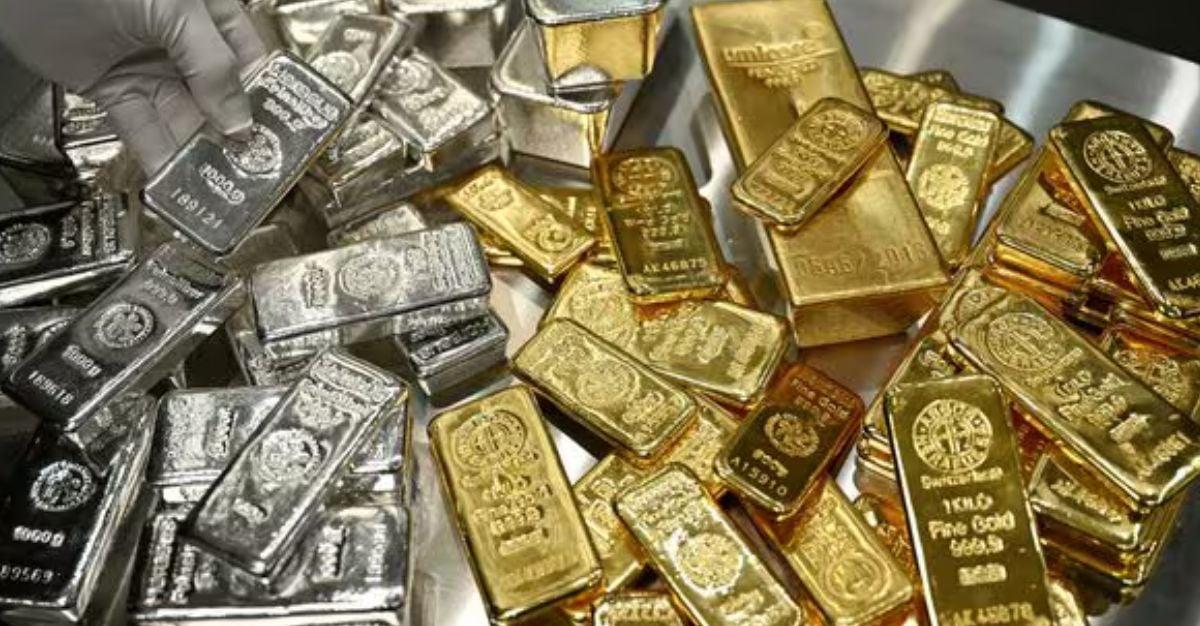
Gold futures surged over 7 per cent while silver crossed Rs 3 lakh per kg after the government sharply increased import duty on precious metals.
✨ Key Takeaways
Gold and silver prices on the Multi Commodity Exchange witnessed one of the sharpest single-day rallies in recent memory on Wednesday, May 13, 2026. The reason was straightforward: the Government of India raised the customs duty on gold and silver imports from 6 percent to 15 percent, effective from midnight, and the domestic market repriced both metals almost immediately.
On the MCX, gold futures for June delivery surged over 7 percent, or over Rs 10,000, hitting an Intraday high of Rs 1,64,497 per 10 grams. The metal crossed the Rs 1,64,000 mark, nearing a two-month high. Silver was even more dramatic. The actively traded July futures contract climbed nearly 8 percent, or over Rs 22,000, to touch an intraday high of Rs 3,01,429 per kilogram, crossing the Rs 3,00,000 mark for the first time in two months.
As of 11.53 AM, MCX gold was trading at around Rs 1,62,500 per 10 grams, up approximately 6 percent from the previous close, while silver held at around Rs 2,96,600 per kilogram, up over 6 percent.
Gold and silver exchange-traded funds also responded sharply, rallying as much as 15 percent on Wednesday as investors quickly adjusted their positions to account for the new duty structure.
Why Did This Happen?
The Finance Ministry issued a notification combining a 10 percent basic customs duty with a 5 percent Agriculture Infrastructure and Development Cess on gold and silver imports, taking the total effective import Tax to 15 percent, more than doubling the previous rate of 6 percent. Platinum imports were also revised upward to 15.4 percent from 6.4 percent.
The logic behind the hike is straightforward. India imports almost all of its gold and silver requirements, and precious metal imports had surged to an all-time high of $71.98 billion in FY26. With the West Asia conflict pushing crude oil prices higher and putting pressure on the rupee, the government moved to reduce the outflow of foreign exchange by making gold and silver imports more expensive.
Why Does The Duty Hike Push Domestic Prices Up?
When import duty rises, the cost of bringing gold or silver into the country increases by the same proportion. Since India does not produce meaningful quantities of either metal domestically, the higher import cost gets passed directly into local prices. This is why MCX prices, which reflect domestic market conditions, surged sharply even though international spot prices were under moderate pressure. Spot gold was trading around $4,710 per ounce on COMEX, down by 0.11 percent, while spot silver was trading below $86.55, up by nearly 0.05%.
The gap between international prices and domestic MCX prices has widened significantly as a result of the duty hike, and this premium is likely to persist until either global prices move substantially higher or the duty structure is revised.
Conclusion
The government’s decision to raise gold and silver import duty to 15 per cent is primarily aimed at reducing pressure on India’s foreign exchange reserves, controlling the widening trade deficit, and supporting the rupee amid elevated crude oil prices and rising geopolitical uncertainty.
Share your views in the comments below
Disclaimer: This article is for informational purposes only and not investment advice.