UAE to Exit OPEC and OPEC+ from May 1; Move May Have Long-Term Impact on India’s Economy
 Join Us
 Follow Us
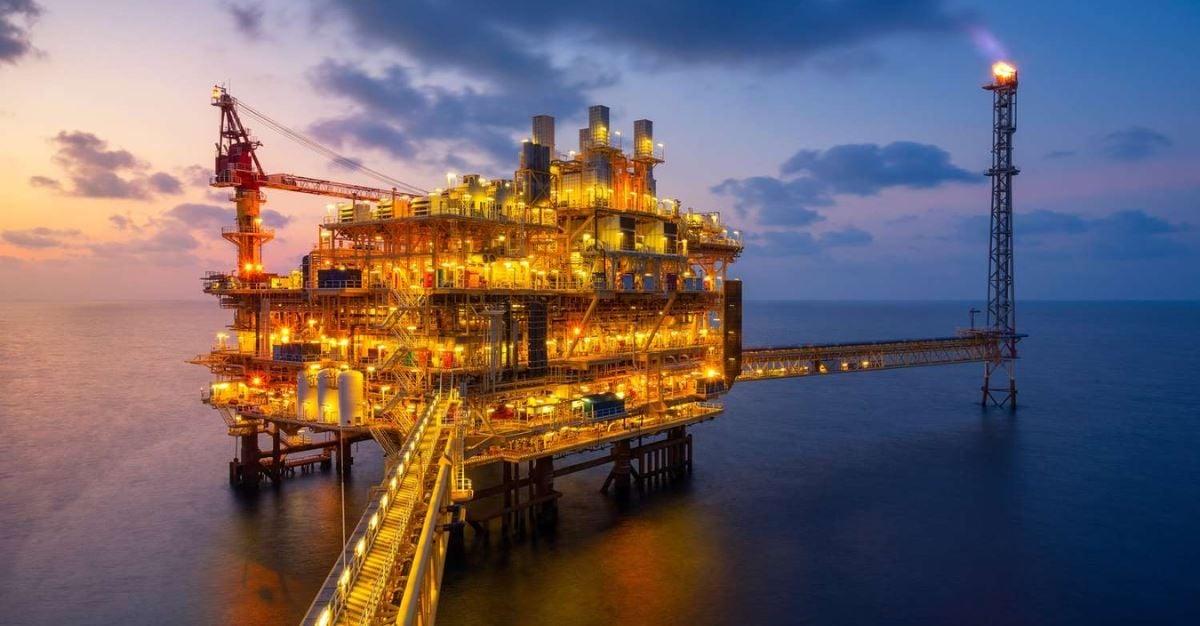
Higher Production Flexibility May Weaken OPEC’s Supply Control, Ease Oil Price Pressure, and Bring Long-Term Relief for Major Importers Like India
✨ Key Takeaways
In a major shift for the global energy market, the United Arab Emirates has officially announced that it will withdraw from OPEC and OPEC+ effective May 1, 2026, ending nearly 60 years of association with the oil producers’ alliance. The move is being viewed as one of the biggest changes in the global crude supply framework in recent years, as the UAE remains one of OPEC’s top oil-producing nations and its exit could gradually reduce the cartel’s control over world oil output.
UAE Looks to Unlock Independent Production Capacity
The UAE has been aggressively expanding its crude oil production capacity and is targeting output capability of nearly 5 million barrels per day in the coming years. However, under OPEC and OPEC+ arrangements, member nations are required to follow production quotas, which often limit actual supply despite higher installed capacity.
This has remained one of the major restrictions for Abu Dhabi, as the country has invested billions of dollars in upstream oil expansion and now wants greater flexibility to produce according to its own market strategy. By moving out of OPEC, the UAE will no longer be bound by group production ceilings and can independently decide its export volumes based on global demand and pricing opportunities.
OPEC’s Influence on Crude Prices Could Weaken Over Time
The UAE is among the largest producers within OPEC, and its withdrawal slightly weakens the organisation’s collective grip on global crude supply. If Abu Dhabi starts increasing production after its formal exit, additional barrels entering the market can create supply-side pressure, which generally works in favour of softer oil prices.
The impact may not be immediate because crude prices are currently also being influenced by geopolitical tensions in the Gulf region, tanker movement disruptions and production actions by other large exporters including Saudi Arabia, Iraq, Russia and the United States. Still, over the medium term, the UAE’s independent production push may gradually cap any sharp rise in international crude prices.
Why This Matters for India’s Economy
For India, the development carries significant importance because the country imports close to 85 to 90 per cent of its crude oil requirement from overseas markets. This makes India highly vulnerable to every movement in global crude benchmarks.
If the UAE begins supplying more oil independently and global crude prices soften over time, India could benefit through lower import bills, reduced inflationary pressure, better fuel cost stability and improved current account management. Since the UAE is already one of India’s major crude suppliers, the exit may also create room for more direct bilateral energy agreements and supply flexibility in the coming years.
Lower crude prices also provide indirect relief to sectors such as aviation, paints, Logistics, chemicals, tyres and oil marketing companies that are heavily dependent on petroleum-linked input costs.
Add DSIJ as your preferred news source on G o o g l e
Add NowShare your thoughts in the comments below.
Disclaimer: This article is for informational purposes only and not investment advice.