Why Gold, Silver Prices Fall Despite US-Iran War - 5 Key Reasons to Know!
 Join Us
 Follow Us
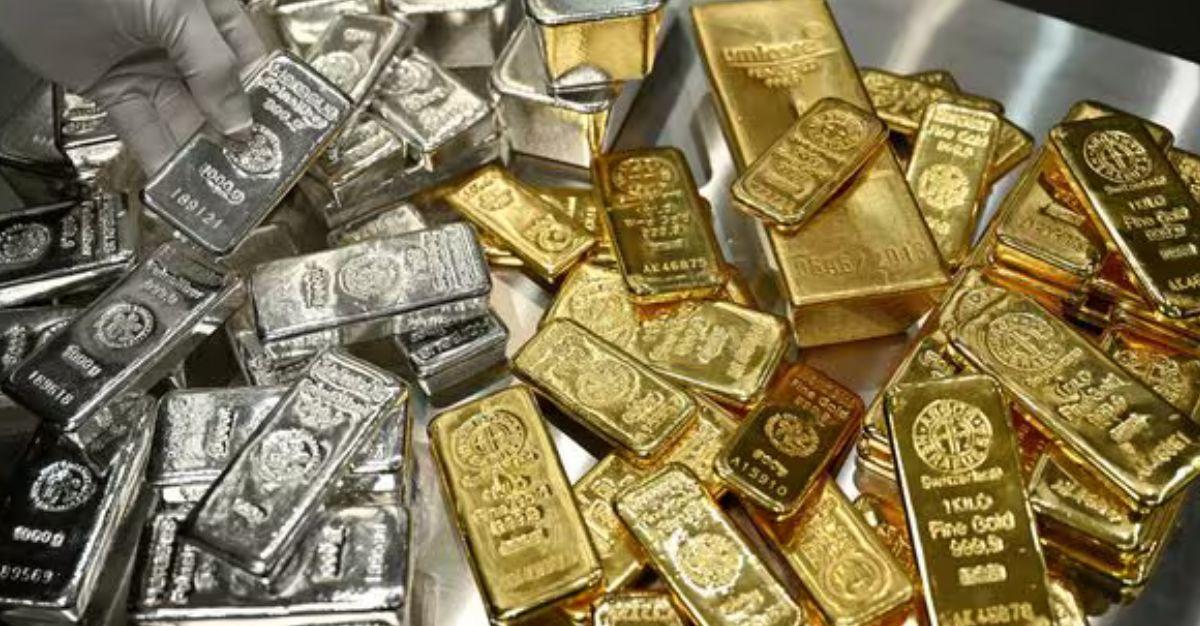
Here are the five key reasons behind the decline in gold and silver prices despite heightened geopolitical risks:
✨ Key Takeaways
Gold and silver prices declined on Monday even as tensions escalated in the Middle East due to the ongoing U.S.-Israel conflict with Iran. Typically, such geopolitical unrest boosts demand for safe-haven assets like precious metals, but both international and domestic bullion markets saw a dip. Spot gold fell 1.7 per cent to USD 5,082.51 per ounce, while U.S. gold futures for April delivery dropped 1.4 per cent to USD 5,099.40 per ounce. Spot silver slipped 2.2 per cent to USD 82.50 per ounce. In India, MCX gold rate fell 0.96 per cent to Rs 1,60,077 per 10 grams and silver declined 2.67 per cent to Rs 2,61,135 per kg.
Here are the five key reasons behind the decline in gold and silver prices despite heightened geopolitical risks:
1. Strong U.S. Dollar
A strengthening U.S. dollar pressured gold and silver, making bullion more expensive for holders of other currencies. The dollar reached a more-than-three-month high, while U.S. 10-year Treasury yields climbed to a one-month peak, raising the opportunity cost of holding non-yielding assets like gold. Major currencies including the euro, British pound, Australian dollar, and even the Swiss franc weakened against the greenback.
2. Rate Cut Expectations Fade
Rising crude oil prices and higher energy costs stoked inflation concerns, reducing expectations of near-term interest rate cuts by the U.S. Federal Reserve. Investors now expect the Fed to maintain rates at its March 18 meeting, with June hold odds climbing above 51 per cent. Gold tends to benefit from a low-interest-rate environment, so higher rates limit safe-haven appeal.
3. Profit Booking After Strong Rally
Gold and silver had surged earlier due to geopolitical tensions, with gold prices up about 54 per cent year-to-date. The recent rally prompted investors to book profits, especially after equity market losses triggered liquidity needs. This selling pressure weighed on both metals despite ongoing Middle East unrest.
4. Central Bank Gold Selling Rumours
Market speculation that central banks are selling gold to raise liquidity also affected investor sentiment. The World Gold Council reported that net central bank purchases in January were just 5 tonnes, below the 12-month average of 27 tonnes, signaling a slowdown in institutional support.
5. Rising Caution in Financial Markets
Institutional concerns are increasing market caution. BlackRock Inc., for instance, restricted withdrawals from its $26 billion HPS Corporate Lending Fund after high redemption requests, reflecting investor anxiety. Combined with low open interest and high volatility in bullion markets, institutions have adopted a wait-and-watch approach, limiting fresh inflows into gold and silver.
Despite the short-term dip, the broader bullish framework for gold remains intact. COMEX gold is trading in the USD 5,100 zone, holding above key moving averages and the USD 5,000 support level.
Disclaimer: The article is for informational purposes only and not investment advice.